©BAILEY MAHON via Unsplash - photo d'illustration
-
Jul 01, 2026 15:04
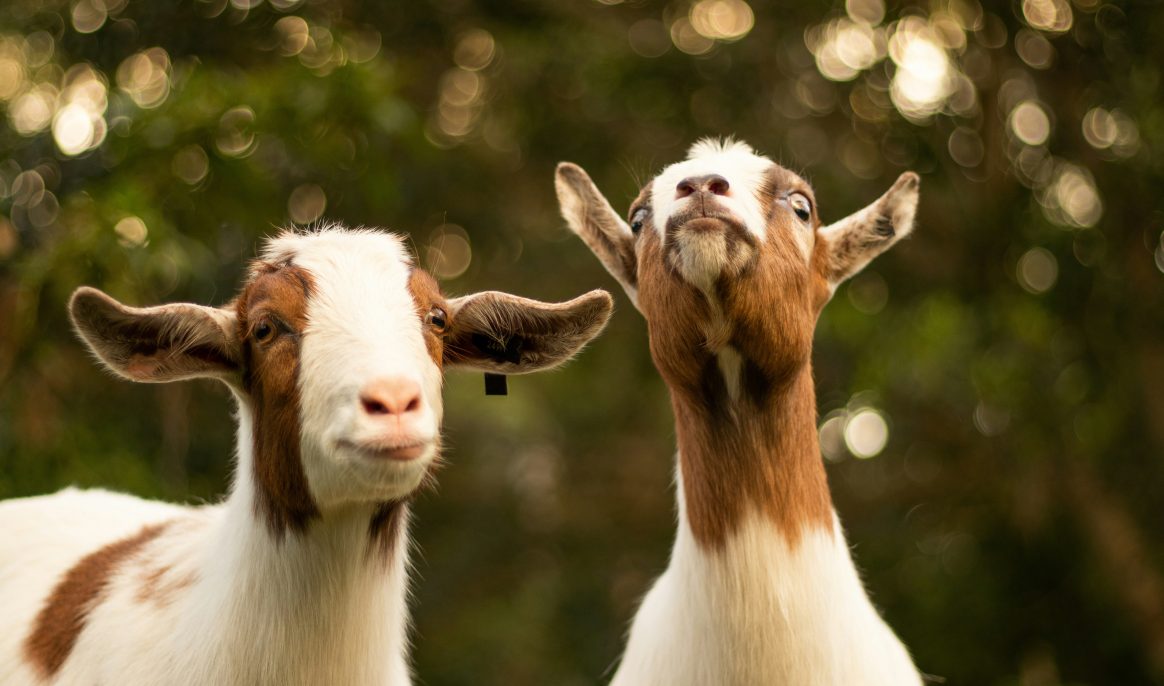
On the island of Santa Bárbara, a herd of goats has survived for 200 years without fresh water. Brazilian scientists are now studying the unique DNA of these animals, which could mark a decisive turning point in the fight against drought.
An extraordinary evolutionary anomaly is shaking up the international scientific community off the coast of Brazil. A herd of goats has managed to survive and thrive for more than two centuries on the volcanic island of Santa Bárbara, the largest in the Abrolhos Archipelago, located about 70 kilometers off the coast of Bahia. The biological peculiarity lies in the fact that this dry, constantly wind-swept strip of land is completely devoid of freshwater sources.
Originally left behind by European colonizers as an emergency food supply during early maritime expeditions, the animals have defied the laws of nature. In several decades of scientific monitoring, no researcher has ever seen a single specimen drink. This phenomenon raises questions about a possible adaptation to seawater or the systematic consumption of beldroega (purslane), a local plant rich in moisture.
The evacuation plan to save the ecosystem
Despite the herd’s exceptional health—marked by frequent twin births—their presence has become unsustainable for local biodiversity. The Chico Mendes Institute for Biodiversity Conservation (ICMBio), led by park director Erismar Rocha, has finalized the permanent relocation of the last 27 remaining animals.
This ecological evacuation operation, planned for 2023, was carried out in collaboration with the Brazilian Navy and the Bahia Agricultural Defense Agency (Adab). Commander Douglas Luiz da Silva Pereira coordinated the logistical operations, citing the need to protect seven rare species of nesting seabirds—whose eggs and nests were being trampled by livestock—as the reason for the removal.
A genetic treasure in the face of global drought
However, the relocation did not result in the slaughter of the animals, which experts consider a true genetic treasure. Twenty-one specimens were taken in by the State University of Southwest Bahia (UESB) and the research organization Embrapa, where they were placed in quarantine under the supervision of Professor Ronaldo Vasconcelos.
Scientists intend to map the chromosomal architecture of this population in order to identify the genes responsible for their extreme tolerance to dehydration. The ultimate goal is to create seed banks and pass on these unique hereditary traits to small-scale farmers in the Caatinga, Brazil’s semi-arid region. This would provide a decisive biological tool for ensuring food security in the face of the progressive drying caused by climate change.
Source: Chico Mendes Institute for Biodiversity Conservation / Agenzia di Stampa Marittima
Share: