©Kevin Grieve via Unsplash
-
Jul 12, 2026 13:47
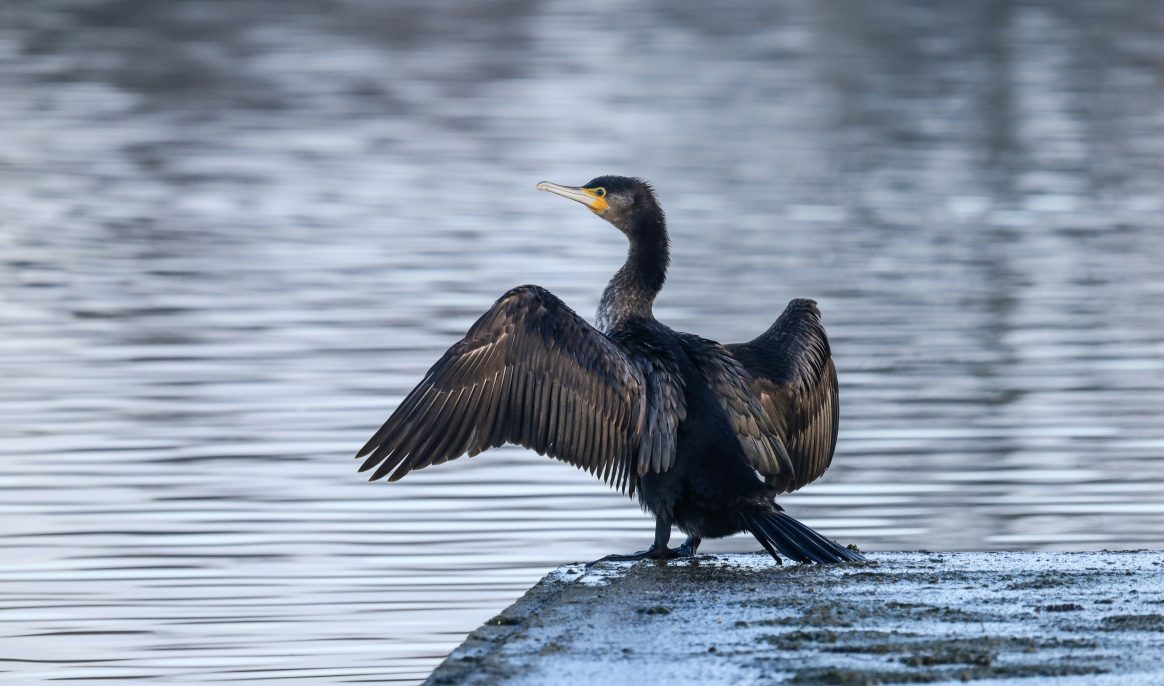
The cormorant is once again at the center of tensions in Europe. Ten countries are calling for a reduction in its protection and an expansion of culling efforts to preserve fisheries and aquaculture, even though the species had already come close to extinction.
For decades, the cormorant has been one of the symbols of European wildlife threatened by humans. Due to intensive hunting, pollution, and pesticides, this species came within a hair’s breadth of extinction in many regions of the continent during the 1970s. The situation changed in 1979 with the adoption of the European Union’s Birds Directive, one of the very first major tools for protecting biodiversity.
Since then, the cormorant population has grown steadily. According to estimates cited in the European debate, it has risen from fewer than 50,000 individuals to nearly 2 million birds, spread across lakes, rivers, coastal areas, and wetlands. This conservation success has, paradoxically, become the source of a new controversy.
The request from the ten European countries
The issue reached Brussels via a letter addressed to the European Commissioner for the Environment. It was signed by representatives from Estonia, Sweden, Finland, Latvia, Lithuania, Slovakia, Croatia, Poland, the Czech Republic, and Romania, who are calling for a review of the species’ protection status.
According to the signatories, the increase in the number of cormorants has caused growing damage to commercial fishing and aquaculture operations. Based on their assessment, each individual consumes up to 180 kilograms of fish per year, resulting in economic losses estimated at approximately 350 million euros for the European fishing industry.
The stated goal is to reduce the population to levels deemed “ecologically and economically viable,” thereby paving the way for broader forms of regulation, including the possibility of regular culls.
Opponents: “This is not a solution”
The proposal has, however, met with strong opposition from environmental groups and part of the scientific community. Many experts point out that the cormorant represents one of the greatest success stories in European wildlife restoration and that weakening its protection could set a dangerous precedent.
Several cited studies also emphasize that significant damage to fish populations is mainly limited to specific contexts, such as small waterways or intensive fish farms, whereas in large natural ecosystems, the impact would be much more moderate.
Environmentalists also point out that European regulations already allow for exemptions and targeted interventions when concrete damage is proven. For this reason, they consider a blanket reduction in protection levels to be disproportionate.
"This is not how the problem will be solved"
The standoff over the cormorant follows similar disputes involving other protected species, such as the wolf, and could have much broader consequences. If Brussels were to accept the requests from the ten countries, a new chapter would begin in the relationship between nature conservation, economic interests, and wildlife management.
However, the issue cannot be addressed solely from the perspective of culling animals. Reducing protection risks diverting attention from structural causes—such as the management of aquatic ecosystems and production activities—in favor of a solution that is immediate but ineffective in the long term.
It is now up to the European Commission to examine this complex issue, which could set a precedent for the future management of wildlife in Europe.
Source: European Union
Share: