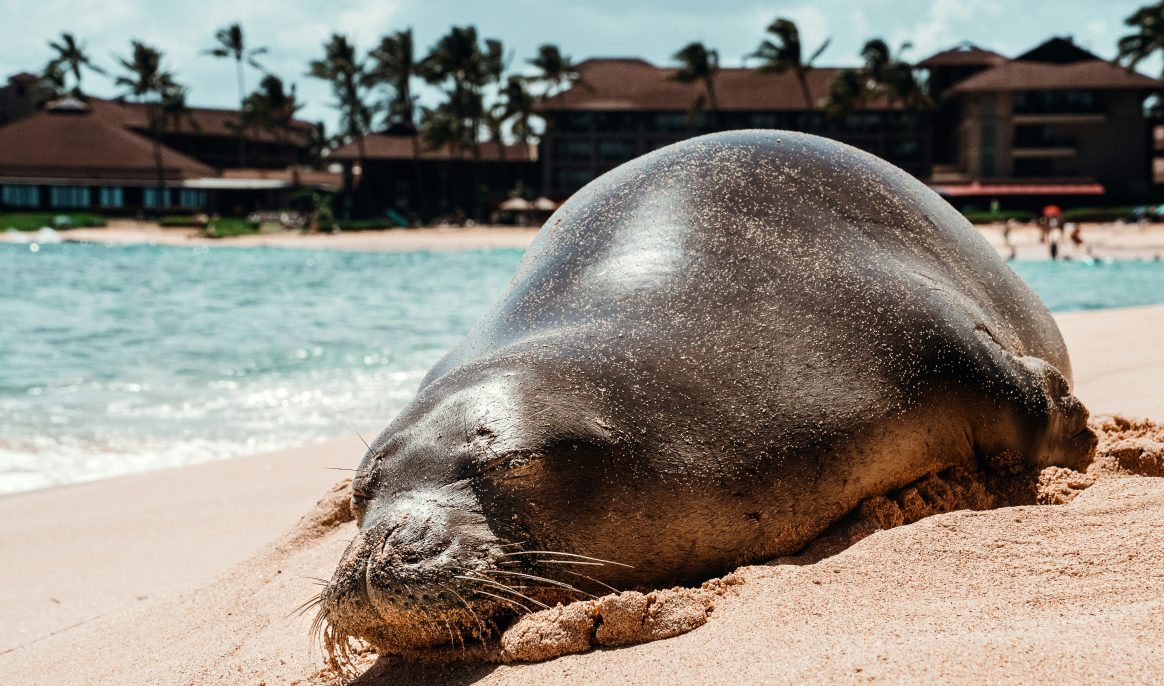
©Sebastian Coman Travel via Unsplash - photo d'illustration
-
Jul 14, 2026 15:09
In Greece, monk seals are changing their habits and taking refuge in air-filled underwater caves to escape mass tourism and increasing human disturbance, a source of constant stress.
The habits of the Mediterranean monk seal are undergoing profound changes—and not for the better; quite the opposite. In Greece, where tourist traffic along the coast is becoming increasingly intense, these animals are abandoning their traditional beaches and exposed rocks to seek refuge in increasingly hidden environments. According to a study published in the journal Oryx, the seals are increasingly using what are known as “air-filled submerged caves”—hard-to-reach habitats protected from direct light and human contact. This survival strategy demonstrates just how much human impact is altering the behavior of marine wildlife.
From open beaches to hidden “bubble caves”
In the past, monk seals preferred isolated beaches and quiet stretches of coastline where they could rest and dry off in the sun. Today, however, pressure from tourism and boat traffic has driven the species to much more inaccessible locations. Observations conducted in Greece, in the Ionian archipelago, have highlighted the use of a unique natural formation: “bubble caves”—submerged cavities with internal air pockets, accessible only through underwater tunnels. In these environments, seals can rest while suspended in the water, remain motionless on the seafloor, or sleep in an upright position, completely shielded from external disturbances.
Study findings: a refuge used almost every day
To analyze the phenomenon, the researchers installed a system of underwater surveillance cameras in several caves known to harbor seals. The recordings, collected over 141 days between 2020 and 2021, revealed a clear pattern: the submerged caves were used for 119 days, compared to just 30 days for traditional caves. This figure indicates a clear preference for more sheltered environments, likely chosen to reduce interactions with humans during peak tourist seasons.
Tourism: An invisible threat to the species
The main problem remains human-induced disturbance, which is now one of the most serious threats to the monk seal’s survival. Crowded beaches, boats, scuba diving, and constant human encroachment are forcing the animals to radically alter their habitat. On some Greek islands, such as Formicula, tourists often venture into the caves where the seals raise their young, which increases the seals’ stress levels and reduces the safe areas available to them.
We are making their habitats less and less safe
Monk seals aren’t simply “choosing” new caves—they’re fleeing. When an animal is forced to abandon its ancestral habits to find ever more hidden and inaccessible refuges, it means its habitat is no longer safe. Unregulated tourism and the constant human presence along the coast are transforming natural spaces into areas of constant stress, reducing opportunities for rest, reproduction, and, ultimately, survival.
What's most concerning is that this does not apply only to seals. This pattern repeats itself everywhere: in the seas, mountains, and forests. Wild animals do not seek human contact; they are subjected to it. And every time we get too close—even with good intentions—we risk pushing them a little further toward marginalization. Nature is not a backdrop to be explored without limits, but a fragile balance that must be respected.
Source: Oryx
Share: