-
Jul 07, 2026 13:34
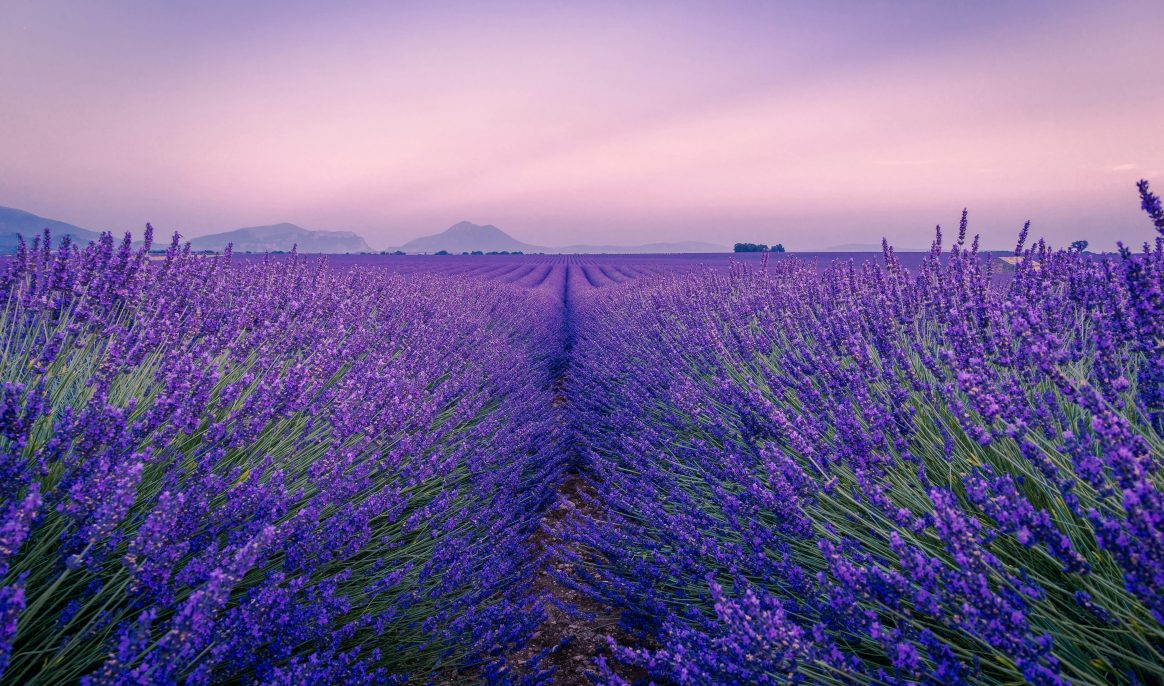
The purple fields of Provence are among the most recognizable images of France. Every summer, they attract thousands of tourists from around the world, transforming the Valensole plateau into an iconic destination filled with scents, colors, and postcard-perfect views. But behind this landscape lies an agricultural crisis that is changing the face of the region.
In fact, more and more farmers are abandoning lavender cultivation to focus on raising laying hens. This shift is driven by economic factors, but it also raises questions about the future of the region, biodiversity, and the local agricultural model.
The “Blue Gold” crisis
For decades, lavender has been one of Provence’s most profitable crops. Lavandin in particular—a hybrid variety used to produce essential oils for the detergent and household products industry—has provided significant income for the region’s farmers.
In recent years, however, the sector has faced difficulties. The expansion of cultivated land and the growth in global production have led to severe overproduction, causing prices to plummet. Many farms are now operating on ever-shrinking margins and are struggling to ensure the next generation takes over.
“We couldn’t ask our children to get into a business that runs at a loss,” a local farmer explained to Reporterre. This is a situation shared by many farmers on the Valensole Plateau.
The rush for eggs
To offset the drop in income, many farmers are seeking new sources of revenue. Some have turned to alternative crops such as pistachios, almonds, or pomegranates. Others are investing in egg production.
In Roumoules, a small town in the Alpes-de-Haute-Provence region, plans are underway to establish a farm with 25,000 laying hens. A similar project is also underway in the neighboring village of Saint-Jurs. Both are being led by the Compagnie Générale d’Agriculture (CGDA), a company specializing in the production of free-range and organic eggs.
The hens will be housed in buildings measuring approximately 2,000 square meters and will have access to fenced-in outdoor runs. According to the company, these farms are a response to the growing demand for eggs, which in recent years has been on the rise in French supermarkets.
The industry is indeed experiencing a period of strong expansion. The sector’s goal is to build hundreds of new farms by 2030 to meet steadily rising demand.
A divided community
However, not everyone is convinced by this transformation. In the small towns affected by the projects, debate is growing over the impact of facilities capable of housing tens of thousands of animals.
Among the main concerns are the welfare of the hens—who, during avian flu alerts, may be forced to remain indoors for weeks or months—as well as the environmental impact.
The new farms will in fact be built in an area of high ecological value, within the Verdon Regional Nature Park and in areas protected by the European Natura 2000 network. This is home to several protected species of birds and other organisms that are particularly sensitive to changes in their habitat.
Some local residents also criticize a model that occupies large areas but generates few jobs.“I would have preferred diversified agricultural activities capable of creating jobs and strengthening community life,” said a local resident.
The future of Provence
The conversion of lavender fields tells a story that extends beyond the borders of Provence. It reflects the difficulties facing many rural areas in Europe, caught between market volatility, climate change, and the need to maintain the economic viability of farms.
For many growers, lavender remains a fundamental part of their identity. But a commitment to tradition is no longer enough to guarantee an income.
So, while tourists continue to photograph the purple expanses of the Valensole Plateau, Provence’s agricultural landscape is changing. And with it, the delicate balance between economy, environment, and culture—which for decades has made this region unique in the world—is also shifting.
Source: Reporterre.net
Share: