©Hongbin via Unsplash
-
Jul 04, 2026 12:55
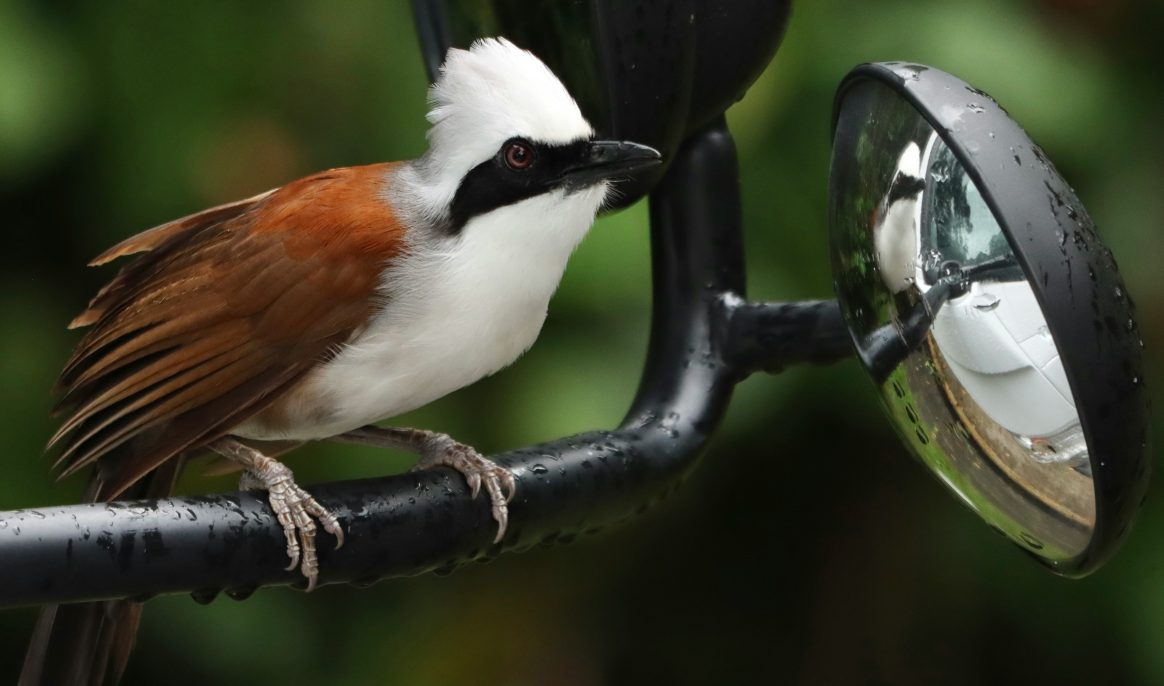
When placed in front of a mirror, most animals believe they're facing another of their own kind. In 1970, to explore the subject further, psychologist Gordon Gallup devised a simple experiment: discreetly applying a colored mark to a part of the animal’s body that cannot be seen directly.
If the animal uses the mirror to inspect or groom this mark, the “mirror test” is considered a success. Following the success of chimpanzees—the first to brilliantly pass the test—other mammals have demonstrated this same ability to recognize their reflection. Among them are:
- great apes
- the bottlenose dolphin
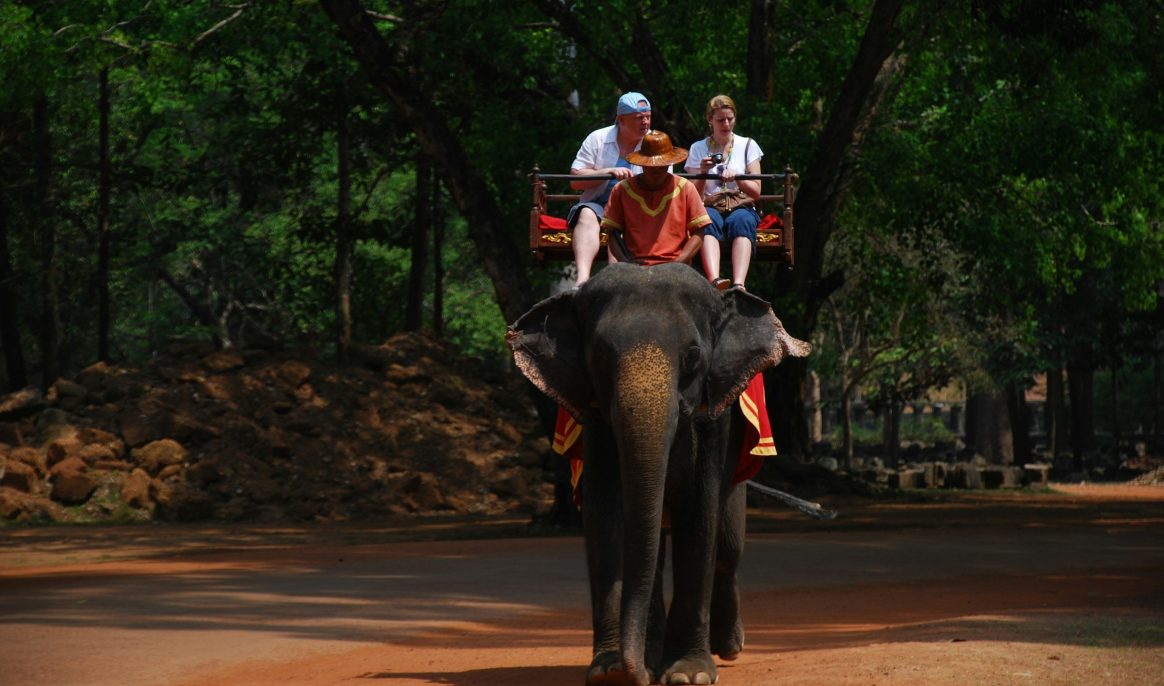
- the Asian elephant
From birds to fish: the results are a subject of debate
Animals’ cognitive abilities never cease to amaze. According to a 2008 study, beyond the world of mammals, the Eurasian magpie also reportedly passed the test. These results should be taken with a pinch of salt, as a subsequent attempt to replicate the experiment with a larger sample size failed to confirm these findings.
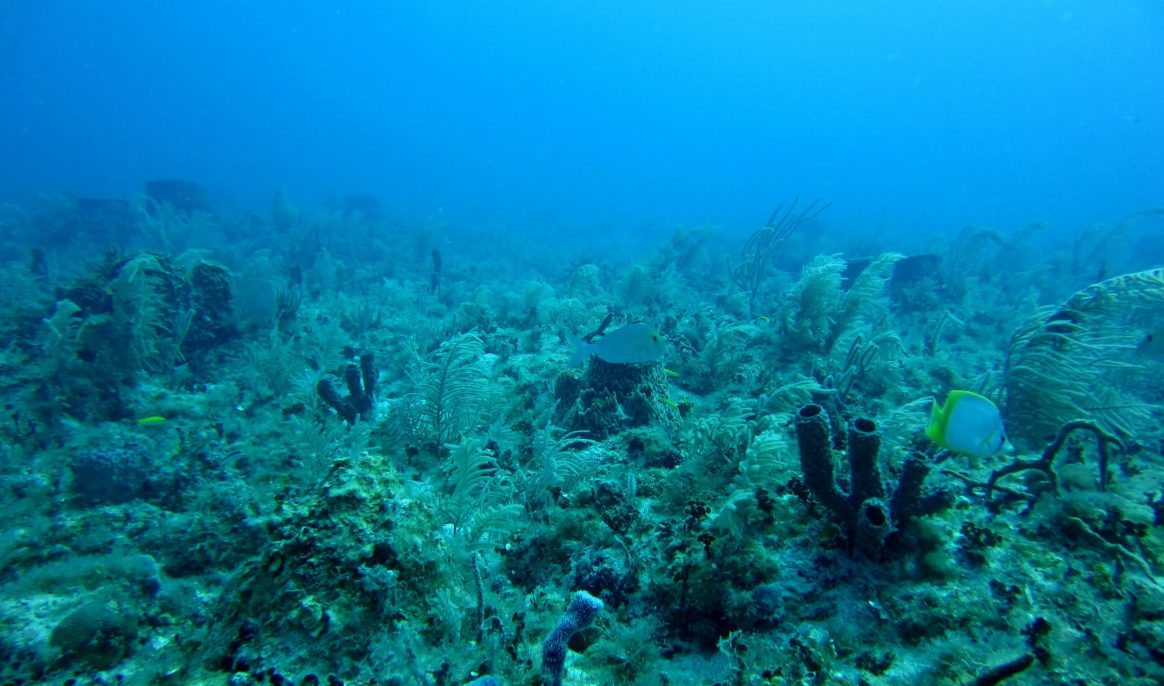
The case of the cleaner wrasse, a small tropical fish, is also the subject of in-depth discussion. In 2019, researchers observed that it attempted to remove a fake tick visible only in the mirror. Further research published in 2025 supported this finding by describing reactions similar to those of mammals.
The test's limitations: Self-awareness
While the mirror test has long been considered proof of self-awareness, many scientists today urge for a more nuanced view. This test primarily assesses a visual ability. Failure does not indicate a lack of intelligence. Dogs, for example, primarily use their sense of smell to explore their environment. They're fully capable of recognizing themselves through their own scent rather than through their image (their reflection in a mirror).
Although the mirror test remains a standard tool, it's not sufficient on its own to understand the complexity of the animal mind. Scientists are now developing new assessment methods that take into account the specific sensory characteristics and lifestyle of each species.
Share: