©Diane Picchiottino via Unsplash
-
Jul 09, 2026 14:34
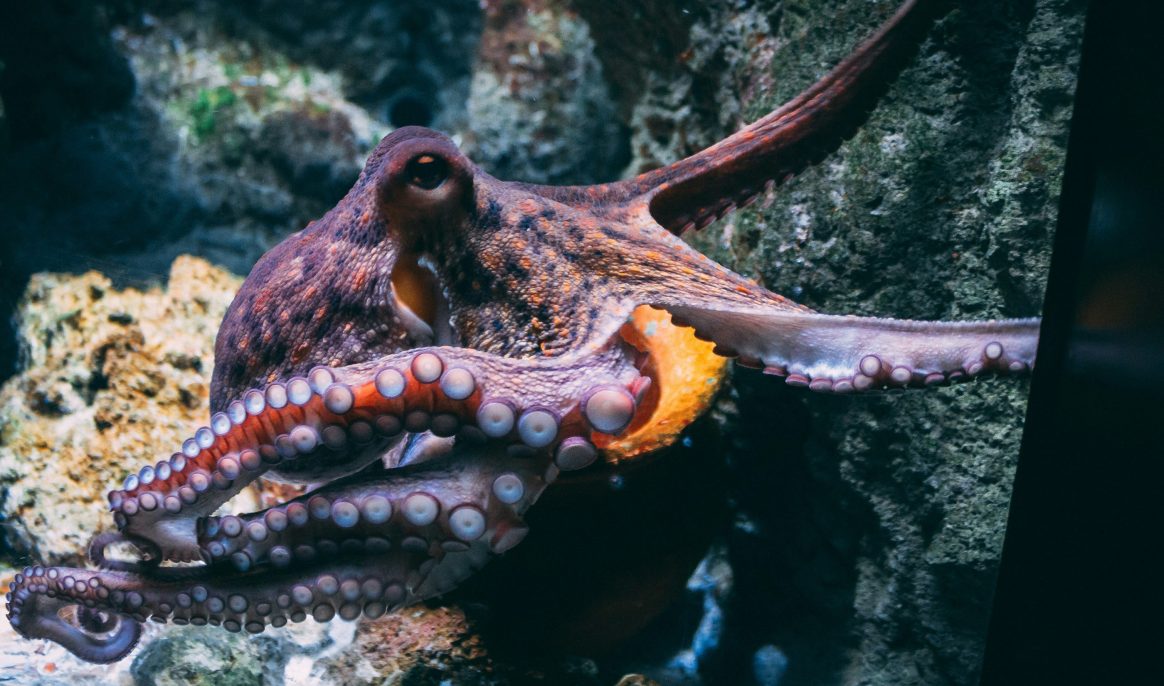
The icy waters of Northern Europe are changing, becoming the scene of a historic biological colonization. The common octopus (Octopus vulgaris), traditionally associated with the mild climates of the Mediterranean, is experiencing an extraordinary population boom that is redefining the United Kingdom’s fauna map.
First reported in 2025 along the southern coasts of Cornwall and Devon, this biological surge has rapidly spread northward, extending to the seabeds of Wales and Scotland. Bryce Stewart, lead author of the study and a senior scientist at the Marine Biological Association, confirmed to The Guardian that this is the largest cephalopod boom ever recorded in this geographic area. This phenomenon was documented through underwater research and consistent reports from divers and snorkelers.
The climate factors behind the mass migration
The reasons for this abnormal reproductive surge lie in a specific combination of temperature anomalies linked to climate change. An exceptionally mild winter, followed by a spring with high temperatures, caused juvenile mortality rates to plummet, creating the perfect conditions for the species’ development. The gradual warming of seawater has made British waters hospitable, thereby accelerating the life cycle of these mollusks.
The ecological upheaval—described by experts as a veritable seismic shift in historical balances—is radically altering the marine food chain. While, on the one hand, octopuses are decimating local fish and mollusks, on the other, they have become a valuable food source for native predators such as seals, giant conger eels, and the rare Risso’s dolphins.
The economic impact: from bankruptcies to record-breaking fish markets
The massive presence of these intelligent invertebrates is dividing the local fishing industry, creating winners and losers. Fishermen who have traditionally specialized in catching crabs and lobsters find themselves in a dire situation: octopuses are directly attacking the traps to devour the trapped crustaceans, forcing some fishermen to sell their boats.
Conversely, those who have adapted their nets have enjoyed a miraculous season: in 2025, the volume of octopus caught surged by 7,700%. This trend was confirmed by the Brixham fish market in Devon, which set an all-time sales record by selling no fewer than 100 metric tons of octopus in a single day—evidence of a coastal economy forced to adapt to the tropicalization of the ocean.
Source: Plymouth Marine Science Electronic Archive (PlyMSEA)
Share: