©Lee via Unsplash
-
Jun 30, 2026 14:31
It’s a heatwave alert for birds, too. To save them if they become dehydrated, here are the first-aid steps to take and the mistakes you must absolutely avoid.
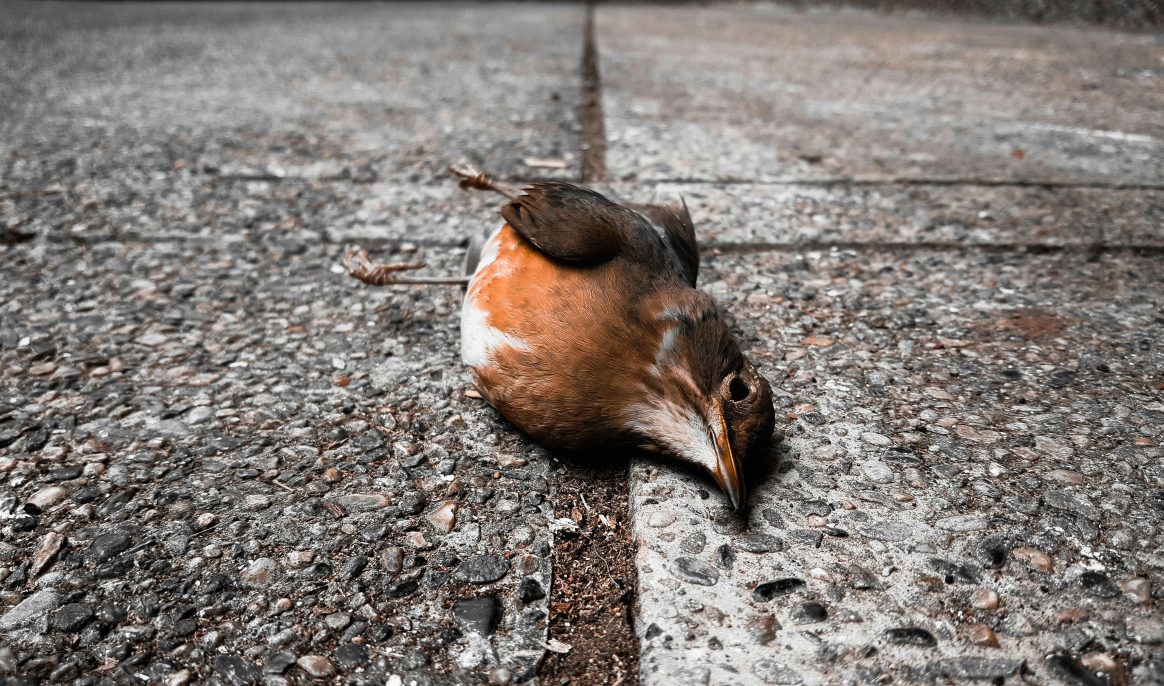
Scorching temperatures and prolonged droughts don’t just put human resilience to the test—they also silently affect the wildlife that inhabits our urban centers. In public parks, on apartment balconies, or along sidewalks, it’s becoming increasingly common to come across adult birds or chicks unable to fly away because they’re weakened or dehydrated.
How can we intervene in time? Experts advise watching for specific clinical signs: abnormally rapid breathing with the beak open, obvious lethargy, disorientation, loss of coordination, or an inability to stand are unmistakable symptoms of heatstroke.
The rehydration protocol and ensuring the animal’s safety
When rescuing a dying animal, the speed of action determines its survival, but every step must follow a strict veterinary protocol. The first step is to administer small amounts of cool water: caregivers strongly recommend hydrating the bird drop by drop onto the tip of its beak, allowing the liquid to flow naturally.
Immediately afterward, the bird should be temporarily placed in a cardboard box with holes punched in it, the bottom of which has been lined with clean newspaper. This container should be placed in a quiet area of the house, away from any sources of visual or auditory stress, and kept at a constant temperature between 27 and 30 degrees Celsius for at least three hours total.
Prohibited Actions and Thermal Shock Due to Contrast
The most common mistake—driven by an instinctive but dangerous desire to help—is forcing the bird to swallow. Never pour liquids directly down the bird’s throat, as this practice obstructs its upper respiratory tract and causes immediate choking or aspiration pneumonia.
Similarly, any attempt at artificial cooling is strictly prohibited. It is therefore forbidden to wet the feathers or use ice-cold water: these practices could, in fact, trigger cardiac arrest due to thermal shock. To prevent these emergencies, the recommended precaution is to keep a small dish filled with 3 or 4 centimeters of water in flower pots or courtyards at all times. The water should be changed daily and include a small stone protruding from the surface so the birds can rest their feet on it. These small gestures can make all the difference and save many lives.
Share: