©Егор Камелев voor Unsplash
-
Jan 08, 2026 09:00
Scientists warn that human activities are "eroding nature to the brink of extinction", following the publication of a list of new species first described in 2025.
Nearly 200 new plants and fungi were described as new to science last year. Conservationists warn that many of them are already "threatened with extinction".
Today (January 8), the Royal Botanic Gardens, Kew (RBG) in London, along with international partners, presented their top 10 species described by 2025. With the list in question, they aim to show how much of the natural world still has no name.
"Describing new plant and fungal species is crucial as the effects of biodiversity loss and climate change unfold at lightning speed before our eyes," said Dr. Martin Cheek, principal investigator with RBG Kew's Africa team. "It's hard to protect what we don't know about, don't understand and don't have a scientific name for."
Dr. Cheek adds that wherever they look, his team sees human activities "eroding nature to the brink of extinction". If we don't invest in taxonomy - the classification and description of species - he says, we risk breaking down the systems that "sustain our life on Earth".
Here are 10 of the most notable plant and fungal species described in 2025.
The blood-stained orchid
Telipogon cruentilabrum is a new orchid species from the high Andean forests of Cotopaxi in Ecuador. The name refers to the blood red spot on the lip of the flower. The species grows on tree terns, usually at 1.5 to 3 meters above the ground.
The yellow and red-veined flowers mimic female flies to attract sexually excited males for pollination. However, more than half of this species' habitat has already disappeared, and tree felling continues due to mining and agriculture.
According to RBG, there are only about 250 known species of Telipogon worldwide, of which this species is one of four new plants described in 2025.
"They are notoriously difficult to grow and species can only be distinguished when in bloom," the organization adds.
'Gruesome' spider-killing fungus
The newest member of the realm of fungi may give you the chills. Purpureocillium atlanticum, found in the Atlantic rainforest in Brazil, belongs to a group of entomopathogenic fungi that parasitizes other organisms.
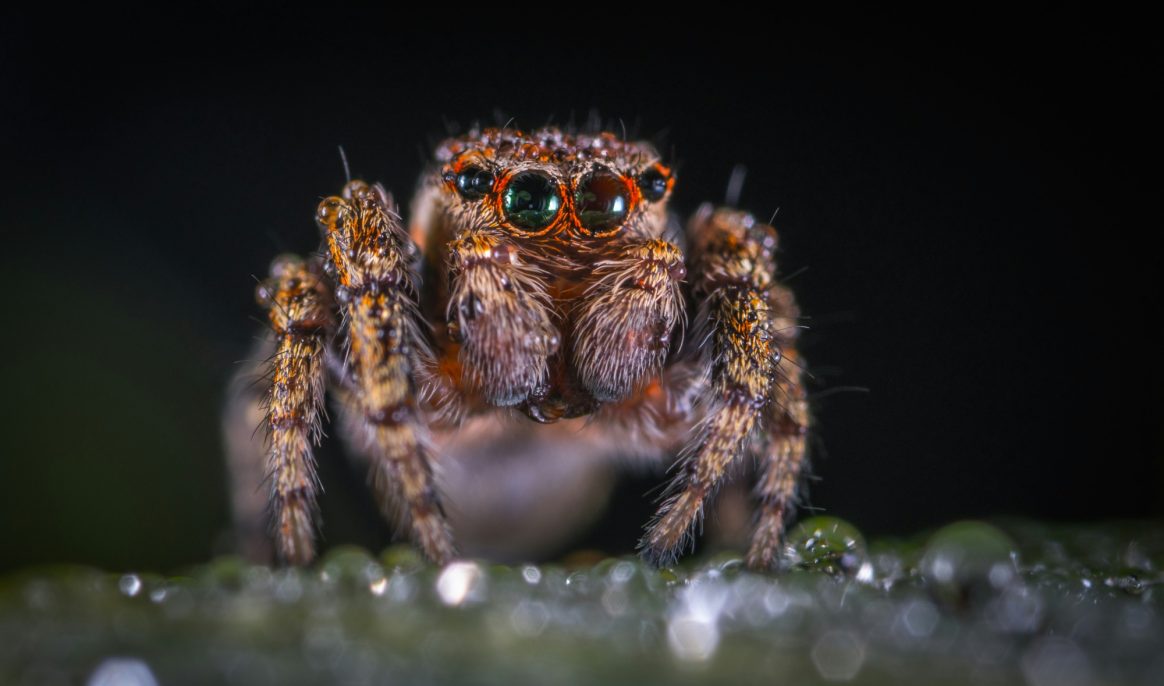
This creepy species is also known as zombie fungus: it infects trapdoor spiders living in their burrows in the forest floor and almost completely overgrows the spider with a soft mycelium.
From the corpse then grows a fruiting body that breaks through the opening of the trapdoor and is raised above the ground to spread its seeds and continue the cycle.
The fire demon flower
Instantly recognizable by its bright orange-red and yellow flowers, this three-meter-tall forest shrub was named after Calcifer, the fire demon from the 2004 film Howl's Moving Castle.
Scientists believe Aphelandra calciferi has great potential as a striking ornamental plant in conservatories thanks to its spectacular appearance.
It's one of two new species from Peru described in a publication by Peruvian-British authors Villanueva-Espinoza and John Wood, research associates with Kews America team.
Christmas palm
Locals know this palm with striking red fruits as Amuring. The tree can grow up to 15 meters tall. Now scientifically described as Adonidia zibabaoa, it grows on karst limestone ridges in a small area on the typhoon-prone island of Samar, one of the Visayas in the Philippines. The species name refers to an ancient name for Samar.
RBG says assigning it "new to science" status was "challenging" because it was not immediately clear which genus the tree belonged to. DNA analyses eventually confirmed that it belongs in the genus Adonidia.
Only two other species in this genus are known, including the Christmas palm: one of the most widely cultivated tropical ornamental plants in the world.
'Living stone'
Scientifically known as Lithops gracilidelineata subsp. mopane, this species belongs to a group of plants famous for their stone-like camouflage.
Although at first glance they look like a pebble, lithops are actually succulents with one pair of leaves and a daisy-like flower.
The 38 known species are found exclusively in arid regions of Namibia and South Africa, although some have also been found in Botswana. However, the new 'mopane-lithops' differs from all the other species in that it grows in an area with more precipitation and 'mopane' forest. It also has a smooth, white-gray leaf surface instead of cream or brownish-pink.
Lithops are popular as houseplants, but illegal collection in the wild to meet this demand is driving the species toward extinction. Several species have already been listed as Endangered or Vulnerable to extinction by the IUCN.
A critically endangered snowdrop
This pretty flower may look like the snowdrops you see in roadsides and gardens in the United Kingdom. Yet, as snowdrop enthusiast Ian McEnery first noted, it did not appear to correspond to any known species.
Scientists have since traced its origin to the subalpine grasslands of Mount Korab in northern Macedonia and Kosovo. Now officially called Galanthus subalpinus, this tiny snowdrop has already been directly designated as Critically Endangered by collection for the horticultural trade.
Overgrazing and fires are additional factors pressuring the species.
Caterpillar orchid
The caterpillar orchid (Dendrobium eruciforme) gets its nickname from the tiny, creeping plants that resemble a colony of caterpillars on a tree trunk.
It is the smallest of six new species described by Indonesian scientists last year.
Five of the discoveries come from Kew's collaboration with local partners to map key conservation areas in Indonesian New Guinea.
Mold from grass roots
Much of the fungi that scientists have yet to describe are expected to consist of species that are barely visible to the naked eye. Magnaporthiopsis stipae, isolated last year from the roots of a grass species, is a good example.
It is just one of 24 new species, 11 new genera and one new family described as new to science in a study of an order of fungi that live mainly as endophytes and cause plant diseases.
Banana/guava-flavored tree fruit
The fruits of this 18-meter-tall tree from Papua New Guinea are relatively easy to harvest. They grow on stems that run down from the trunk and extend up to seven meters across the ground, where they form white flowers.
According to scientists, the fruit tastes like a cross between banana and guava, with a eucalyptus-like aftertaste. The species, Eugenia venteri, is thought to have evolved with flowers pollinated and seeds dispersed by giant forest rats found in the area.
Detarioid leguminous tree
We save the largest for last: this endangered tree grows in the rainforest of Cameroon and has a trunk diameter of 66 centimeters. Scientists estimate that Plagiosiphon intermedium weighs about 5,000 pounds.
It's a detarioid legume (a member of the bean family) and the first species in nearly 80 years to be added to the genus Plagiosiphon, which until now had only five species.
Detarioid leguminous trees grow in groups and depend on fungi that establish a symbiotic relationship with their roots. The new species is known from only two locations, both in Ngovayang, one of Cameroon's main hotspots for unique plant species, but currently enjoys no protection.
Share: