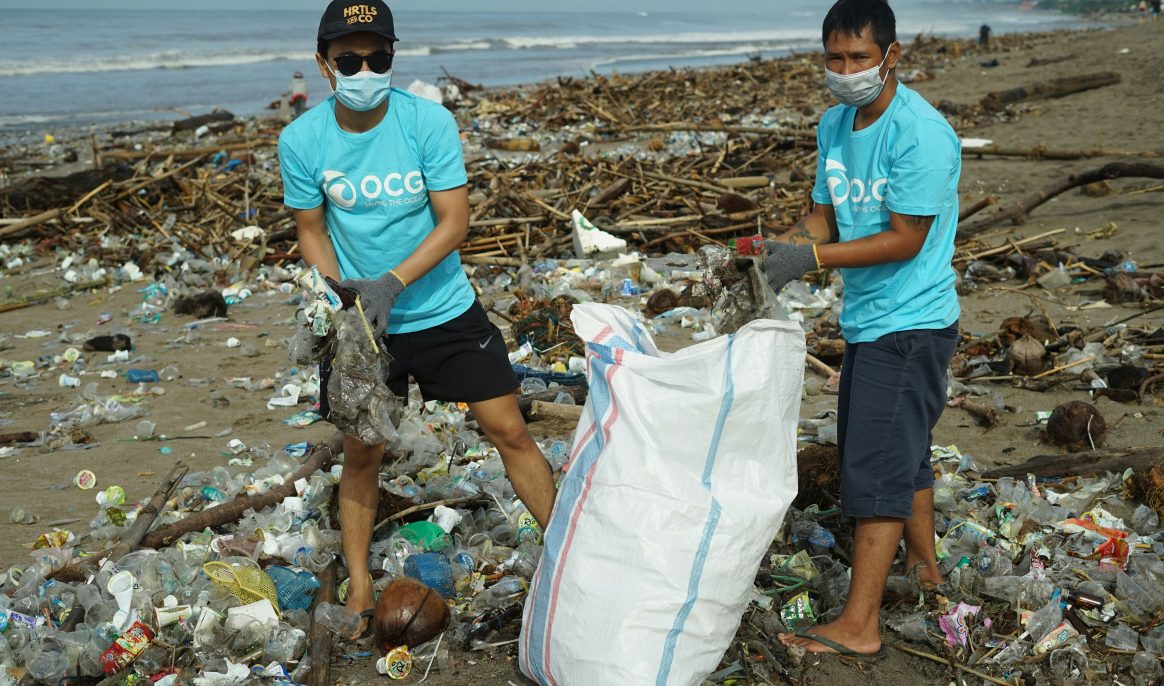
©OCG Saving The Ocean via Unsplash
-
Sep 07, 2026 11:00
In the collective imagination, Bali is synonymous with pristine beaches and lush tropical nature. But day-to-day reality tells a very different story: around 3,400 tonnes of waste accumulate on the island every day, inhabited by 4.4 million people and visited by some 7 million tourists every year.
This is putting enormous pressure on an already stretched management system. Since April, Indonesia has begun enforcing the ban on open dumping, a rule introduced back in 2013 but never uniformly implemented. The immediate consequence: waste disposal at the island's main landfill has ground to a halt, with organic waste piling up along roadsides and in neighborhoods.
Saturated landfills and dead-end waste: the case of Suwung
The Suwung landfill in Denpasar used to receive up to 1,000 tonnes of waste a day, and has been well over capacity for years. With the tightening of regulations, the authorities only authorized limited treatment until July, without proposing any structural solutions for the future. The problem also lies in the composition of the waste: around 70% is organic matter, which is highly unstable. According to experts, this fraction produces methane, a gas that increases the risk of fires, explosions and even landslides on storage sites. Similar episodes have already occurred, notably the collapse of a large landfill near Jakarta, which claimed seven lives.
Protests and contradictions: collecting waste without knowing where to put it
The system is also going through a social crisis. Few months ago, hundreds of garbage collectors demonstrated in front of the governor's office, denouncing an operational paradox: collecting waste but having no authorized place to deposit it. The government has promised the total closure of open dumps by last August, without however specifying immediate alternatives. Energy recovery plants (incinerators) are being considered, but it will take years to get them up and running.
A national problem: plastic, sea and poor management
Bali is just the tip of the iceberg. Indonesia produces over 40 million tonnes of waste a year, of which almost 40% is food waste and around 20% is plastic. Only a third is actually treated or recycled. This inadequate management has made the country one of the main contributors to marine pollution worldwide: between 200,000 and 550,000 tonnes of plastic end up in the oceans every year, via rivers and uncontrolled landfills.
A fragile balance between tourism and environmental collapse
The contrast is stark: an island that thrives on international tourism, but struggles to absorb the impact of the waste it generates. In the absence of an immediate, structural strategy, the risk is that Bali's development model will collapse, transforming this natural paradise into a global symbol of environmental emergency.
Share: