©Sophie N via Unsplash
-
Jun 05, 2026 15:39
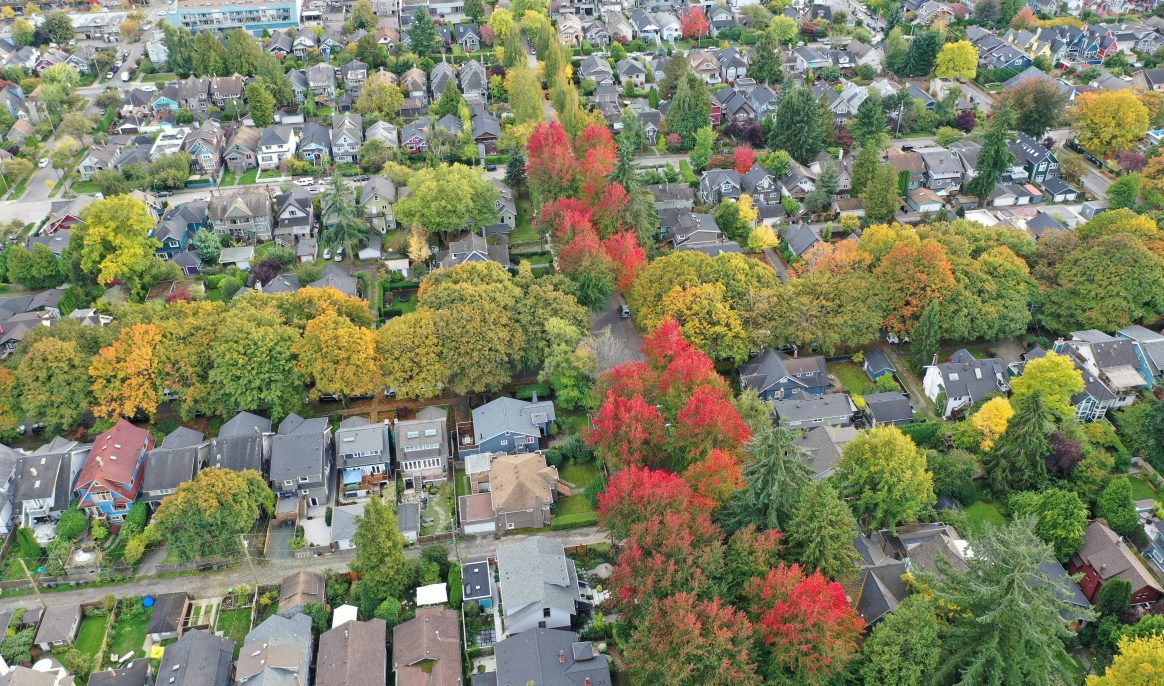
A global study shows that tree cover in urban areas reduces the heat island by up to 50%: vegetation becomes a strategic lever against urban warming.
A new study published in Nature Communications has examined almost 9,000 urban areas worldwide, representing some 3.6 billion people. It highlights a striking figure: the tree cover already present in cities is capable of reducing the "urban heat island" effect by up to 50%.
The urban heat island phenomenon refers to the rise in temperatures in cities compared with rural areas, with differences of between 1 and 3°C on average, but sometimes as much as 7°C. This phenomenon is mainly due to the massive use of materials such as concrete, asphalt and brick, which absorb heat during the day and release it slowly.
How trees cool cities and why they make a difference
According to the researchers, trees act via two essential mechanisms. The first is shading, which prevents solar radiation from striking artificial surfaces directly. The second is transpiration, a natural process by which plants release water vapour, helping to lower the temperature of the surrounding air.
The overall effect is greater than previously thought: today's urban vegetation already manages to offset between 41% and 49% of the potential heat that would accumulate in the absence of greenery. In some cities, this translates into a perceived drop of at least 0.5°C - a significant difference, particularly during heat waves.
Environmental inequalities and disparities between neighborhoods
The study also highlights a major social aspect: the distribution of urban vegetation is far from uniform. In the most disadvantaged neighborhoods, the presence of trees is on average lower than in affluent neighborhoods. In the United States, for example, low-income communities have around 15% less tree cover and temperatures that are almost 1.5°C higher. This disparity underlines the extent to which urban greening is also a question of climate justice, and not just environmental justice.
Vegetation alone is not enough: a global strategy is needed
The experts remind us that, while fundamental, increasing tree cover is not the only solution. Even in optimistic scenarios, with an increase in global vegetation of 18% to 33%, the expected benefits would only offset part of the warming to come. To meet the climate challenge in cities, vegetation will have to be combined with other strategies: the use of reflective building materials, the design of more ventilated cities, and the conversion of unused spaces into new urban green zones.
Source : Nature Communications
Share: