©Venti Views via Unsplash
-
May 21, 2026 14:10
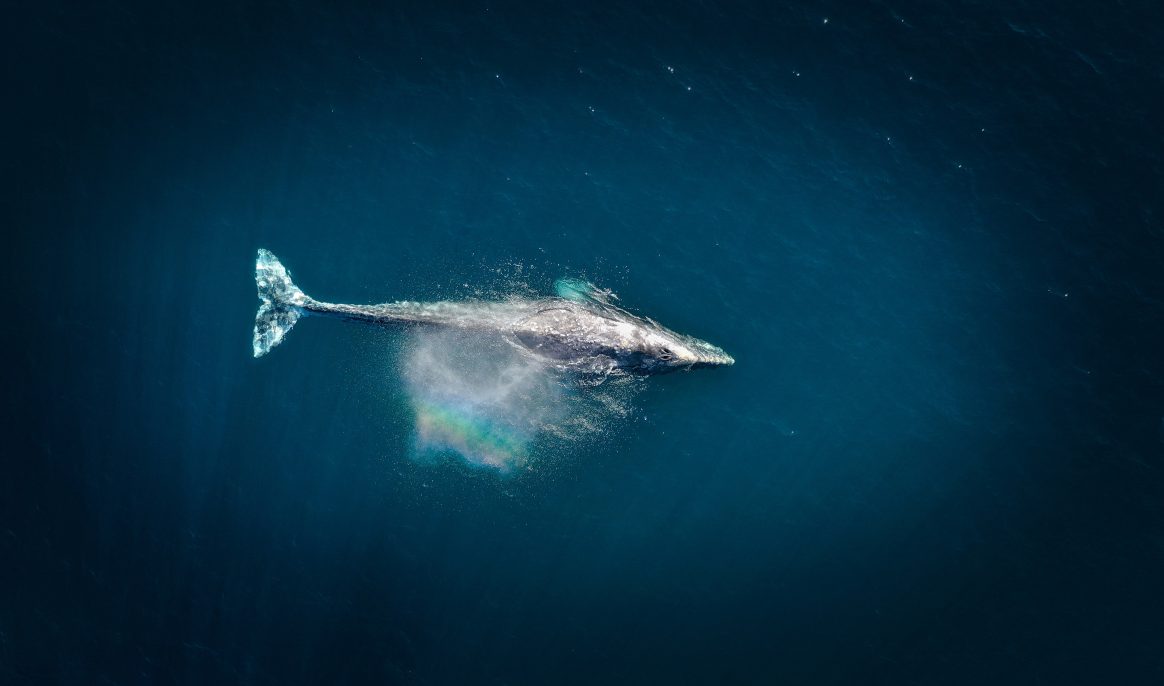
The story of Timmy, the humpback whale that has become a European textbook case, comes to a tragic end: He was found dead in Denmark after a controversial multi-million euro rescue.
Timmy didn't survive. The young humpback whale, who had kept Germany, Denmark and millions of people on social media networks on the edge for weeks, was found dead in the waters of Kattegat, off the Danish island of Anholt. The news was confirmed by the recovery of the GPS beacon installed on the whale during its delicate rescue operation, which cost around 1.5 million euros.
The carcass was located some 70 kilometers from the spot where the animal was returned to the water on May 2, at the end of a large-scale operation involving rescuers, veterinarians, marine biologists and special intervention resources. The Danish Environmental Protection Agency located the whale thanks to the tracer and the scars on its skin and tail fin.
The detour to the Baltic that changed everything
Timmy's story began in March, when the ten-meter-long humpback whale appeared in the German Baltic port of Wismar. Experts believe that the animal may have been disoriented during its migration or by following schools of herring far from its natural habitat. Its first stranding took place on March 23 near Timmendorfer Strand. From then on, the situation deteriorated rapidly. Timmy kept getting stranded in the shallow waters in the Baltic, an environment with too low a salinity for a humpback whale. His health was worsening by the day: irregular breathing, motor difficulties, skin lesions and fishing nets stuck in his mouth. Just as the German authorities were considering calling off operations, two private entrepreneurs, Karin Walter-Mommert and Walter Gunz, decided to finance a final rescue attempt.
The 1.5 million euro rescue
The operation made a deep impression on public opinion throughout Europe. The whale was hoisted onto a gigantic water-filled barge and towed towards the North Sea, in the hope that it would return to the open sea. According to the rescuers, after being released, the whale appeared to be heading in the right direction. A few hours later, however, the GPS signal stopped transmitting. Weeks of uncertainty followed, culminating in the discovery of its lifeless body. In the meantime, the matter had already sparked a heated debate.
The International Whaling Commission had described the plan as "inadvisable", believing that the animal was already too weak. Some marine biologists had openly spoken of "cruelty", while others defended the idea of trying everything possible to save a life.
Death threats and the risk of the carcass exploding
Timmy's story had a huge media impact. Live broadcasts, continuous updates and crowds of curious onlookers made Timmy an emotional symbol followed by millions. During the rescue operations, some of those involved even received death threats, to the point of requiring a permanent police presence in the area.
The Danish authorities have decided not to move the carcass and not to carry out an autopsy, at least for the time being. However, the Environmental Protection Agency has issued a clear warning to the public: the body could transmit diseases to humans and, above all, there is a risk of explosion due to the gases produced by the whale's internal decomposition. Timmy's death brings to a close one of the most heated debates on an environmental issues in recent months.
Share: