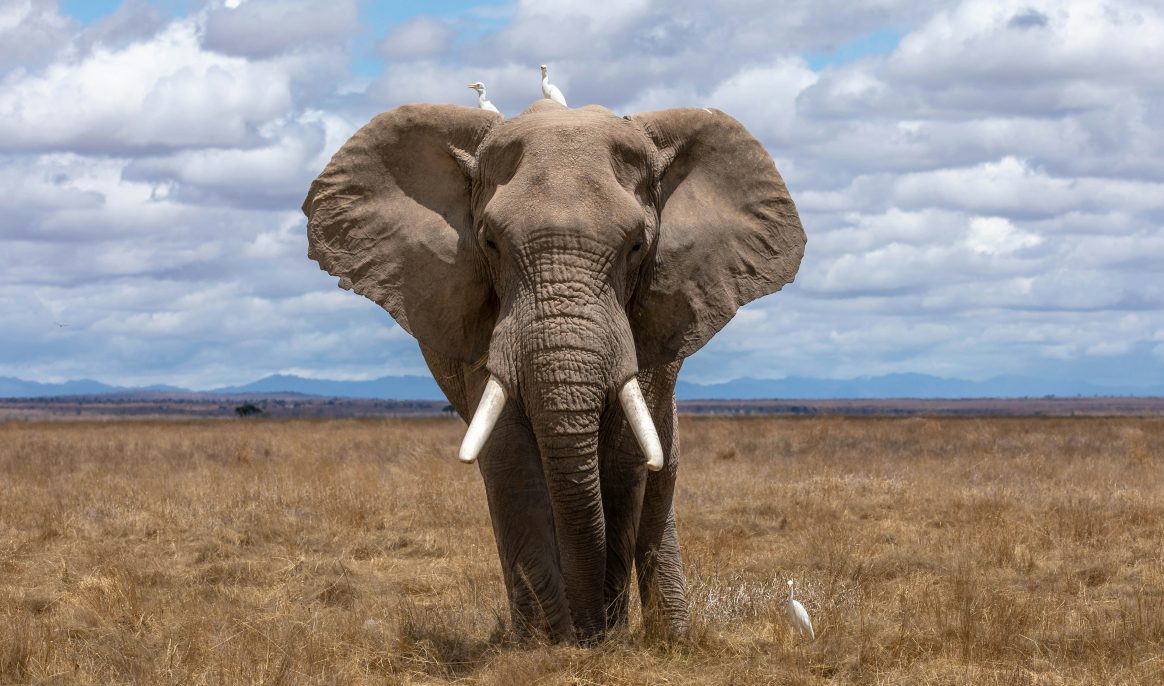
©Nam Anh via Unsplash - photo d'illustration
-
May 25, 2026 08:11
In the heart of Portugal's Alentejo region, some 200 kilometers from Lisbon, a project has come into being that could change the fate of captive elephants in Europe. Called "Pangea", it's the first major European sanctuary designed exclusively to house elephants from zoos and circuses.
It is neither a park open to visitors, nor a tourist attraction, but a space entirely designed for animal welfare, away from the hustle and bustle of shows and cages.
The first residents will be Julie and Kariba, two African elephants with very different backgrounds, but united by a long life spent in captivity. Julie was Portugal's last circus elephant, while Kariba, orphaned in Zimbabwe during the poaching campaigns of the 1980s, spent almost four decades in European zoos, most recently in Belgium. At Pangea, they will finally be able to roam freely, bathe, socialize and live in compatible groups.
The transfer of Kariba
Kariba carries with her an extremely sad story. Born in Zimbabwe in the 1980s, she was orphaned after her herd was slaughtered by poachers during a campaign linked to ivory trafficking. Transferred to Europe when she was still very young, she spent almost forty years in zoos, most recently in Belgium.
Her arrival at the Portuguese sanctuary had been scheduled for the end of the month, but the transfer was temporarily postponed following the discovery of an abscess on her foot, a common pathology in captive-bred elephants. The vets are providing the necessary care, and Pangea has confirmed that Kariba will only set off once she has fully recovered and is ready to face the journey to her new life in semi-liberty.
The suffering of elephants in zoos and circuses
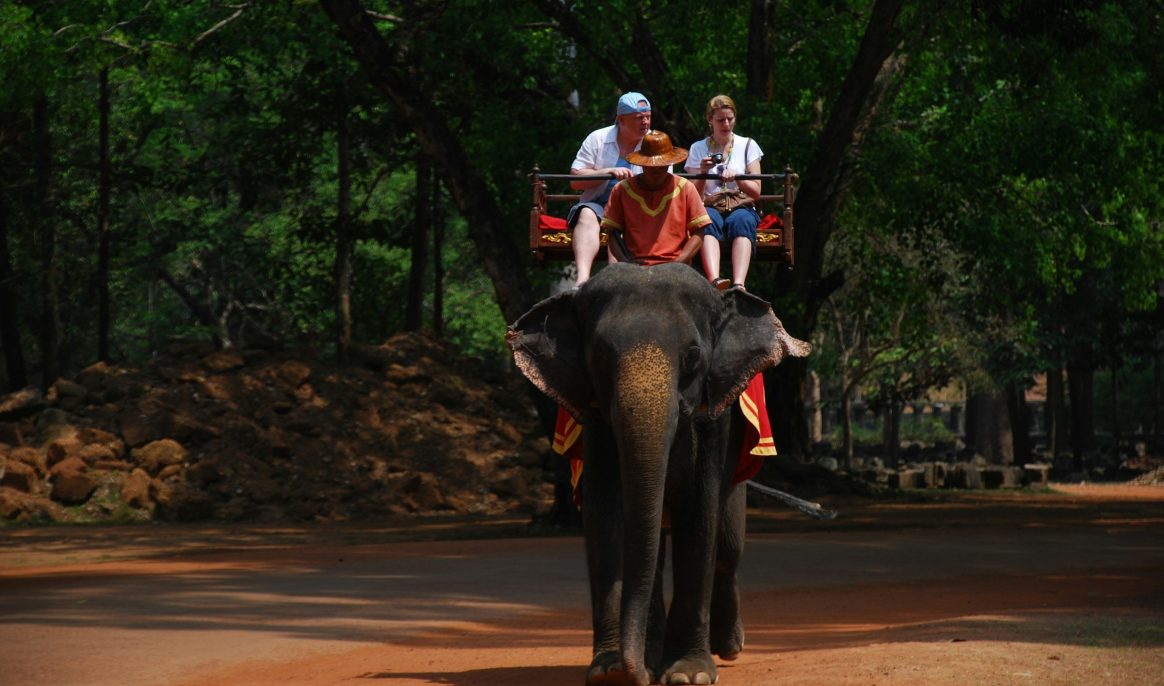
Elephants are among the most intelligent and sensitive animals on the planet, with extremely complex social and physical needs. In the wild, they travel dozens of kilometers every day and live in large groups. In captivity, on the other hand, space is at a premium and social relationships are often limited or non-existent.
The most recent studies reveal some worrying figures: African females living in zoos have an average life expectancy well below that of wild individuals, and infant mortality rates are also higher. This is why a growing number of European establishments are opting to put an end to elephant captivity, even if the main challenge remains finding suitable places to house them.
A sanctuary that also relies on "rewilding"
Pangea has been set up on a degraded former ranch and will initially cover 28 hectares, with the aim of eventually expanding to over 400 hectares. The project aims not only to rehabilitate the animals, but also to regenerate the local ecosystem through rewilding practices. The elephants will play an active role in the natural restoration of the area's pastures, lakes and vegetation. According to Kate Moore, the sanctuary's general manager, the aim is to offer the animals a life as close to the wild as possible, without intrusive contact with the public.
Source : Pangea Trust
Share: