©Pixabay
-
Jan 09, 2026 09:30
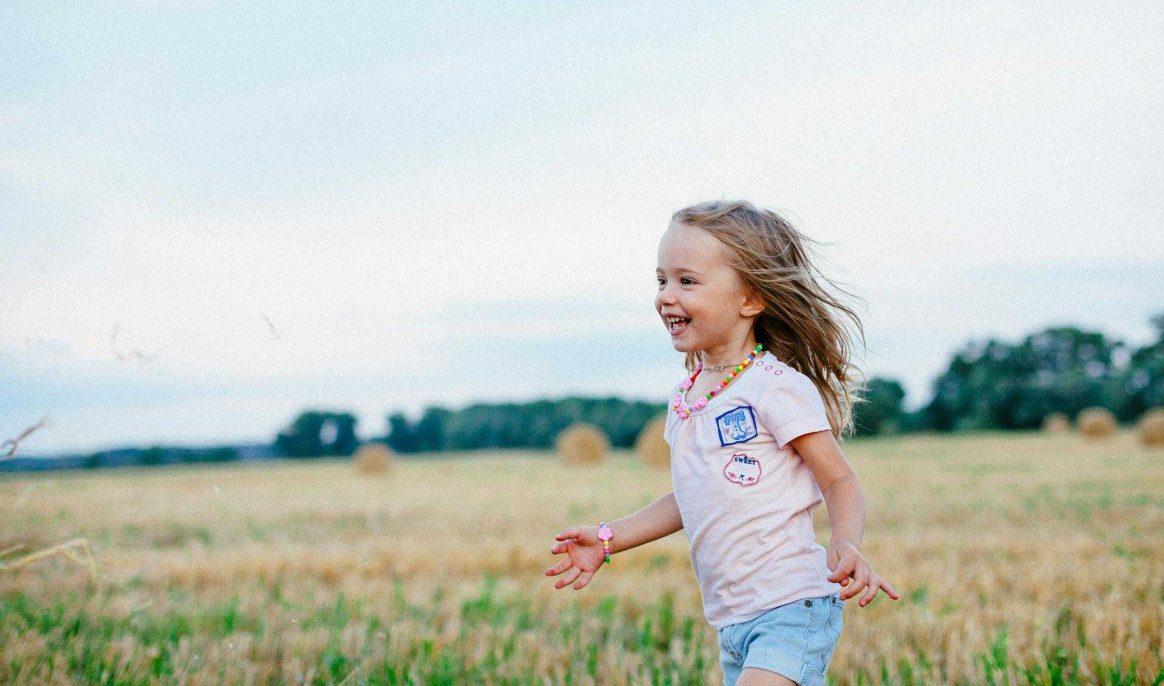
You don't need big words, scientific data or spectacular documentaries to explain respect for nature. Sometimes, the limpid gaze of a four-year-old girl is enough. Gaia, with her spontaneous and imperfect language, manages to tell the story of the animal world with disarming lucidity, linking concepts that many adults still struggle to internalize.
The daughter of an ethologist and therefore already brought up with a unique sensibility to nature, her message is simple yet powerful: every living thing has a precise place, and upsetting this balance means putting everyone at risk.
She dissects the reasons why animals should be allowed to stay where they are, in their habitat, in their shelter, without ever pretending to decide for them.
For Gaia, trees should not be cut down, period. The reason is quite clear: they are home to many animals, especially squirrels. If a tree is felled, the animals that live there 'fall'. An immediate, concrete image that clearly shows how a seemingly insignificant gesture can have serious consequences.
"Birds," she explains, "build their nests on branches. If we cut down the trees, the young ones fall and can no longer fly." This is not poetry: it's an accurate description of what happens when we destroy natural habitats.
Gaia also devotes a chapter to chickens. If they climb or are high up, don't grab them and put them down by force. You have to wait.
Sheep, says Gaia, must not be disturbed while they are eating. If we disturb them, they might react by head-butting us. Does she realize she's telling a profound truth? Respect also comes from not invading the environment and important moments of other living beings.
Rabbits are "very gentle", she says. That's why we shouldn't get too close to them when they're hopping around freely: we might scare them away. Gaia compares them to small children, reminding us that animals feel fear and stress too.
Finally, Gaia touches on one of the most sensitive subjects of all: predators. "If a wolf eats a sheep," the little girl explains, "it doesn't mean you have to kill it. The reversal is total: it's not we who should fear animals, but they who should fear humans." A lesson in coexistence that dismantles centuries of distorted narratives.
Certainly fortunate in her background and the world in which she grew up in, for little Gaia, nature is like a large building without an elevator: each inhabitant has his or her own place and habits. If we interfere with trees, animals and natural environments, we endanger all the tenants, including ourselves.
In her naive language, Gaia expresses a truth that the environmental crisis has been teaching us for years: protecting nature is not a heroic gesture, it's simply common sense. And if a four-year-old girl can understand this so well, perhaps we should stop for a moment and ask ourselves what we are doing as adults.
Share: