
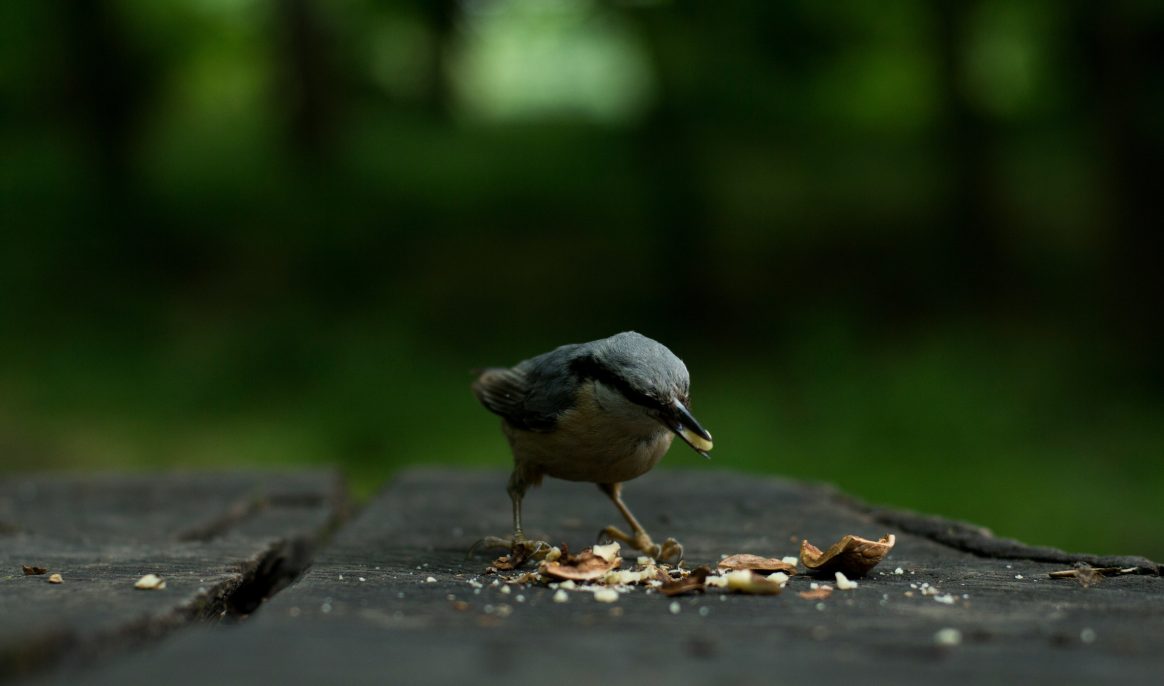
©Roman via Unsplash
-
Jan 05, 2026 16:30
With the arrival of winter, balconies and gardens fill up with bird feeders. It's a spontaneous and often affectionate gesture, born out of a desire to help chickadees, robins and sparrows get through the colder months. And yet, this widespread habit is one of the most common mistakes when it comes to urban wildlife.
The common mistake? Feeding birds without really knowing their needs.
All wild birds are protected by law. It's permissible to help them during the most critical periods, but not on an ad hoc basis. The idea that all you have to do is hang up a bird fat ball and feel you've done your duty is comforting, but not always right, as winter feeding is only effective if carried out with care, common sense and a basic understanding of the risks involved.
Bird fat balls: useful, but not all the same
Bird fat balls are one of the most widely used foods. Birds like them because they provide immediate energy, which is essential on cold nights. The problem, however, lies in the quality of the fat balls: many products on the market contain poor-quality, sometimes salty animal fats, which are unsuitable for a bird's digestion.
Even more risky: food packaging. Often made out of conventional plastic netting, beaks and legs can get caught in the packaging, with serious consequences. This is not a rare phenomenon, but a real risk that has long been reported by wildlife protection organizations. Removing the netting or choosing fat balls free from dangerous packaging is the best option; a simple yet crucial choice for the health of our feathered friends.
Eating well, but also in the right place
In addition to the question of food quality, there's another problem linked to the location of the feeder:
- A feeder that's too low exposes birds to cats.
- A feeder that's too close to windows increases the risk of collision.
- Finally, a dirty feeder becomes a breeding ground for bacteria and disease.
We mustn't forget regular maintenance, which is an integral part of the help we want to offer our birds. Cleaning, checking, moving if necessary: small gestures that make all the difference.
What to do in winter?
The recommendations of LIPU (Lega Italiana Protezione Uccelli, the Italian League for the ProtectionofBirds) are clear: in winter, natural food is scarce, and birds mainly need carbohydrates and fats to maintain their energy levels. Their diet needs to be varied as granivorous and insectivorous species cohabit in our gardens and. It's important to note that during the colder months they change their feeding habits.
As well as food, we mustn't forget water. A simple shallow dish, clean and free of ice, is ideal for both drinking and washing. Birds' plumage must remain in perfect condition to ensure good thermal insulation.
Recommended foods:
- Wild bird seed mix;
- Sunflower and millet seeds;
- Oat flakes;
- Unsalted peanuts and peanut clusters;
- Chopped nuts, shelled pine nuts, coconut;
- Raisins;
- Fresh fruit pieces (apples, pears, persimmons);
- Soft food mixes for animals;
- Homemade cakes made from corn flour, butter or vegetable margarine, seeds and nuts;
- Good-quality fat balls.
Occasionally:
- Small quantities of butter-rich sweets, such as panettone or pandoro;
- Cheese;
- Cooked rice.
Strictly avoid:
- Bread, which is low in nutrients;
- Salty foods;
- Spicy foods.
Real help means making choices
Feeding birds doesn't mean filling feeders at random, but making informed choices, at the right time and in the right way.
Share: