© Matteo del Piano via Unsplash
-
Jun 23, 2026 18:30
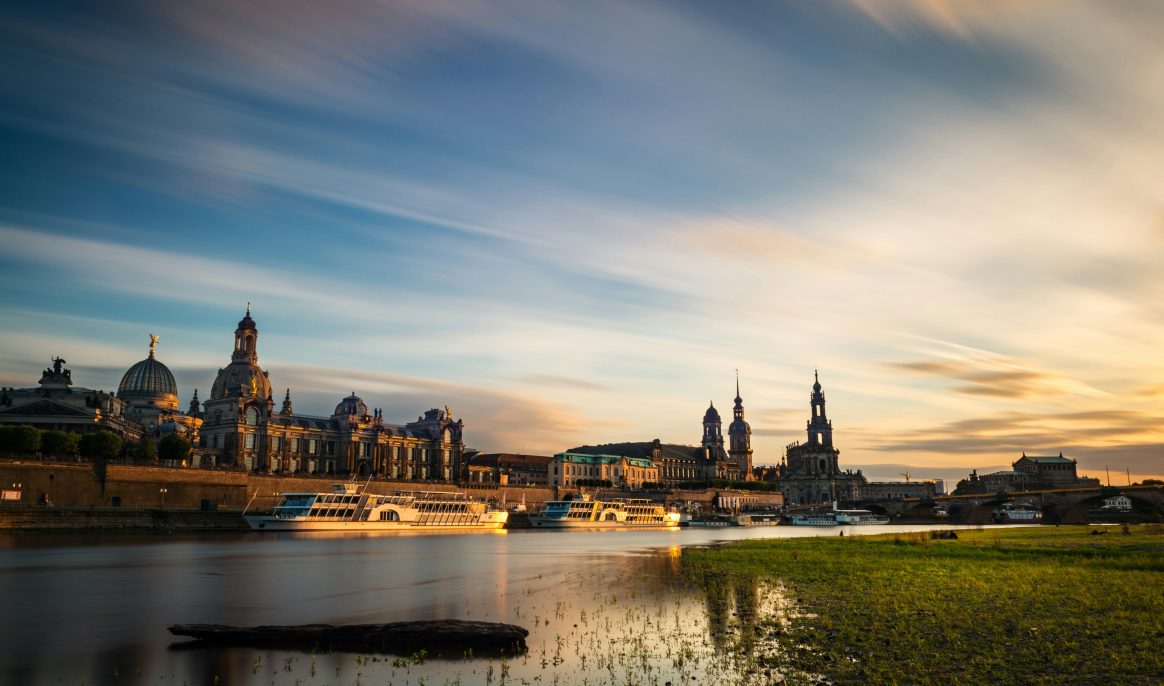
European cities are sweltering, thermometers are soaring, and, along with them, travel habits are changing. When visiting Rome at noon becomes grueling, when crossing downtown Paris under the blazing sun feels like a survival challenge, another way to explore destinations is gaining traction: night tourism. This trend, which involves planning tourist activities after sunset, is emerging as a practical response to heat waves, but also as a new way of experiencing the city.
The term might almost sound like a passing fad. Yet it describes a much broader shift: the night is no longer merely a lull in the travel experience. It's becoming an experience in its own right. In several European cities, operating hours are extending, tours are being rescheduled, and itineraries are being reinvented to offer visitors coolness, tranquility, and a fresh perspective.
A response to the heat—and not only
If “noctourism” is gaining popularity today, it's primarily because it addresses a very contemporary challenge: the climate. In the summer, major cities can sometimes be difficult to navigate during the hottest hours of the day. The rise of nighttime activities allows travelers to explore without suffering from the heat, enjoying a city that’s more breathable and less crowded. Several European destinations are already adapting their summer offerings towards this reality.
But the trend is not merely a matter of avoiding the heat. Travelers also find a more sensory experience: fewer crowds, a more intimate atmosphere, landmarks seen from a different angle, and streets that suddenly seem wider and quieter. It’s a way of redefining the relationship with travel, focusing on observation, contemplation, and experience.
Cities come alive differently
In Seville, the evening isn’t just about staying cool—it’s a way of life. Evening strolls, tapas tours, flamenco shows, and city tours at dusk are all part of a form of tourism that already naturally embraces rhythm of the night. In the articles reviewed, the Andalusian capital emerges as one of the most obvious destinations for this new trend.
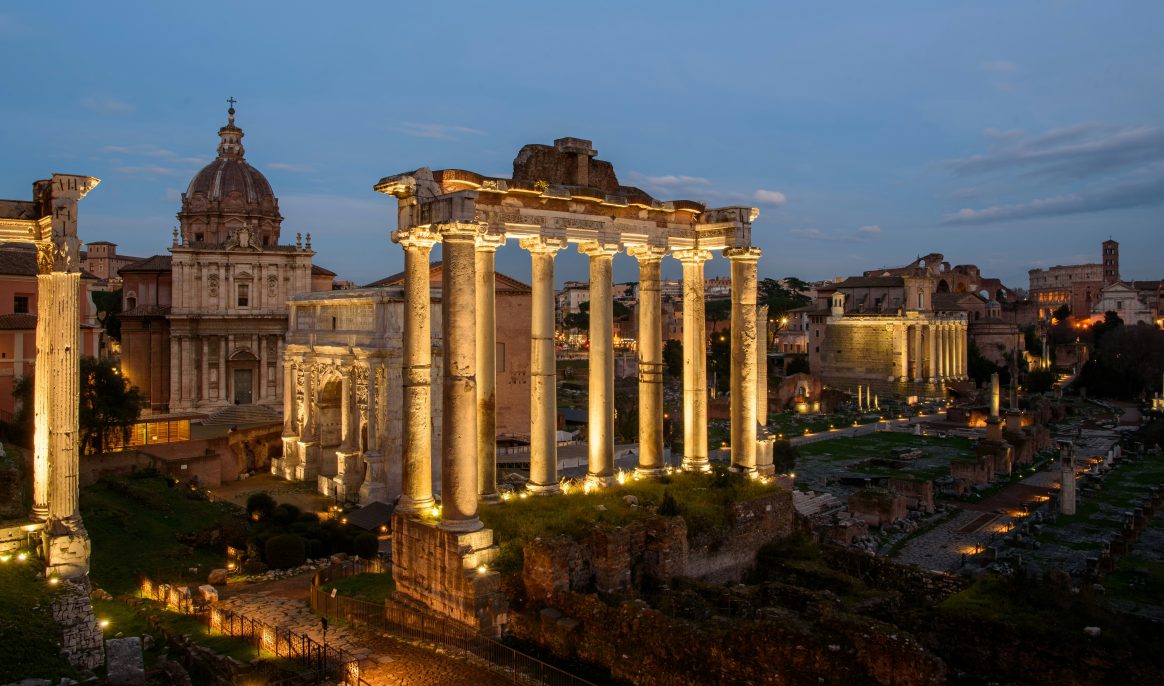
Rome, too, perfectly embodies the rise of night tourism. Exploring the Colosseum or the Roman Forum when the temperature cools down radically changes the experience. The Eternal City then becomes easier to navigate, more comfortable, and more mysterious. Rome is among the pioneering European cities that are reorganizing their activities to meet this new demand.
Paris is not to be outdone. Evening museum visits, urban strolls after dark, and neighborhoods that quiet down outside peak hours reveal a different side of the capital—one that’s slower-paced and more subdued. From a travel perspective, this shift in timing allows visitors to combine culture with cooler temperatures—a factor that has become decisive in the height of summer.
Between the starry sky and a city break
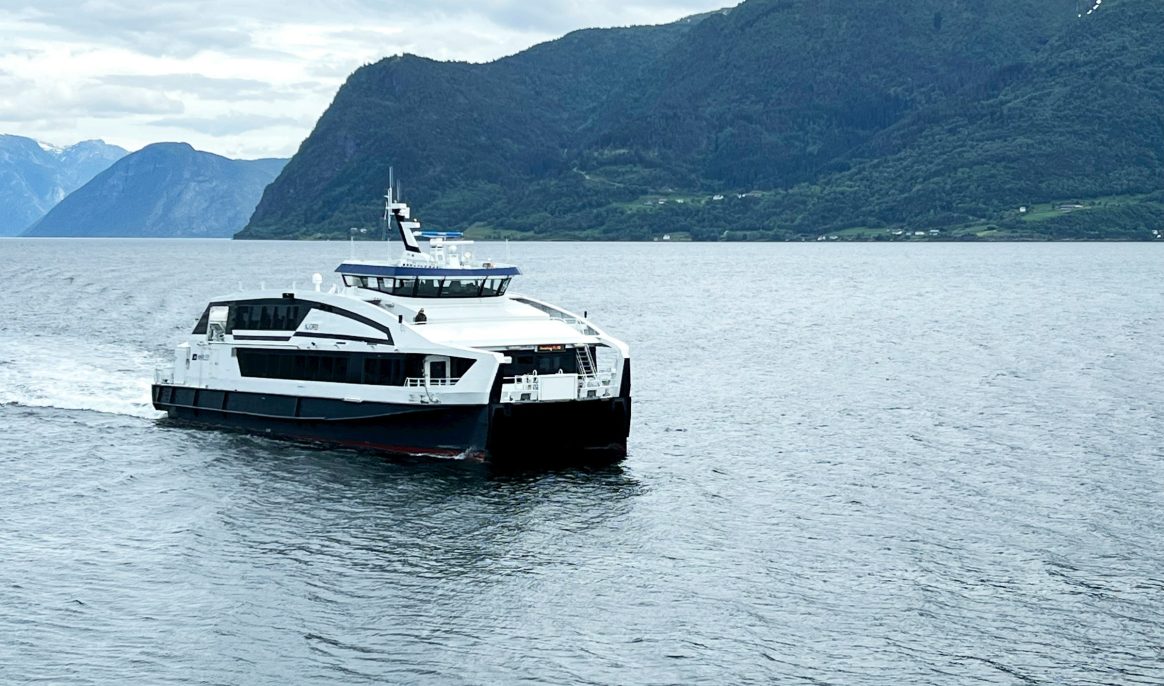
But keep in mind that nighttime tourism isn’t limited to cities. Another, more contemplative branch appeals to travelers drawn to natural landscapes after dark: stargazing, the Northern Lights, night hikes, lantern-lit safaris, or stays in areas with clear skies. Norway,Iceland, and vast, dimly lit open spaces often feature in accounts of this trend.
This diversity explains the phenomenon’s success. Nocturnal tourism can be urban, cultural, gastronomic, or nature-based. It offers not just the chance to travel later in the day, but to travel differently: by shifting the focus of the trip to the hours when places seem to transform, and when the visitor, too, changes their pace.
A trend here to stay
Beyond the fad, nighttime tourism says a lot about new tourist expectations. It responds to climate change, overcrowded sites, the desire for less standardized experiences, and the search for more flexible travel. For cities, it’s also a way to spread out visitor flows and enrich their offerings without sacrificing their heritage assets.
In a sense, the night is becoming a tourist destination in its own right. And while the recent heat wave has served as a wake-up call, it also shows that the tourism of tomorrow may be less focused on the ideal time of day and more on a destination’s ability to reinvent itself after the sun goes down.
Share: