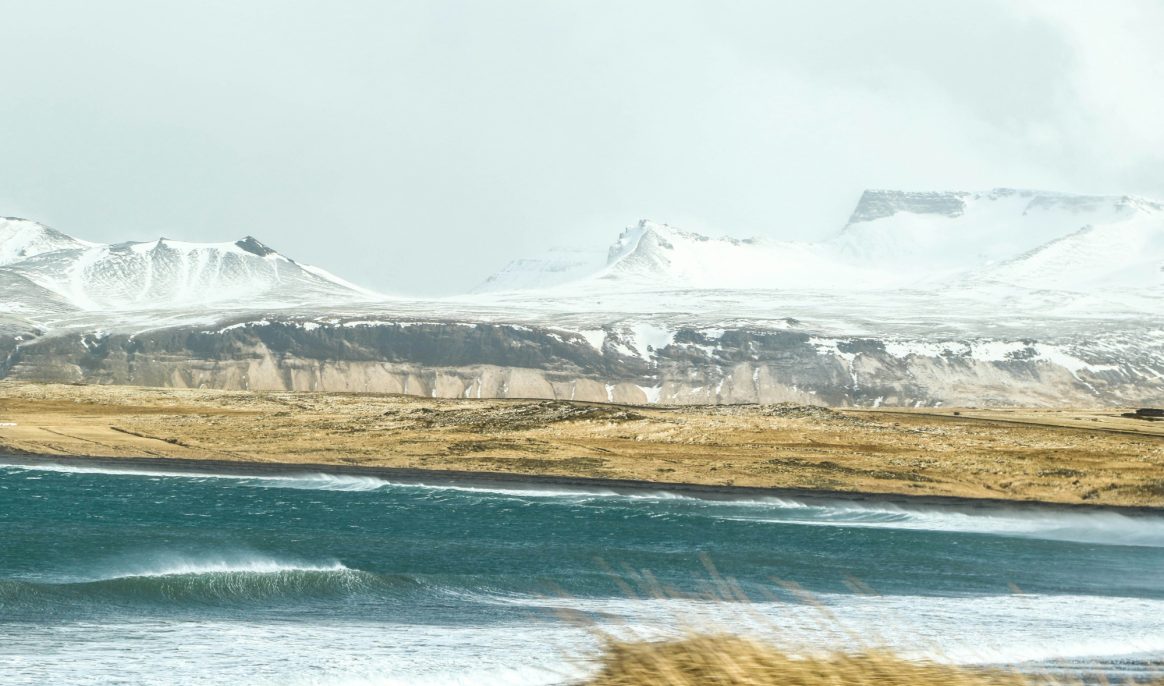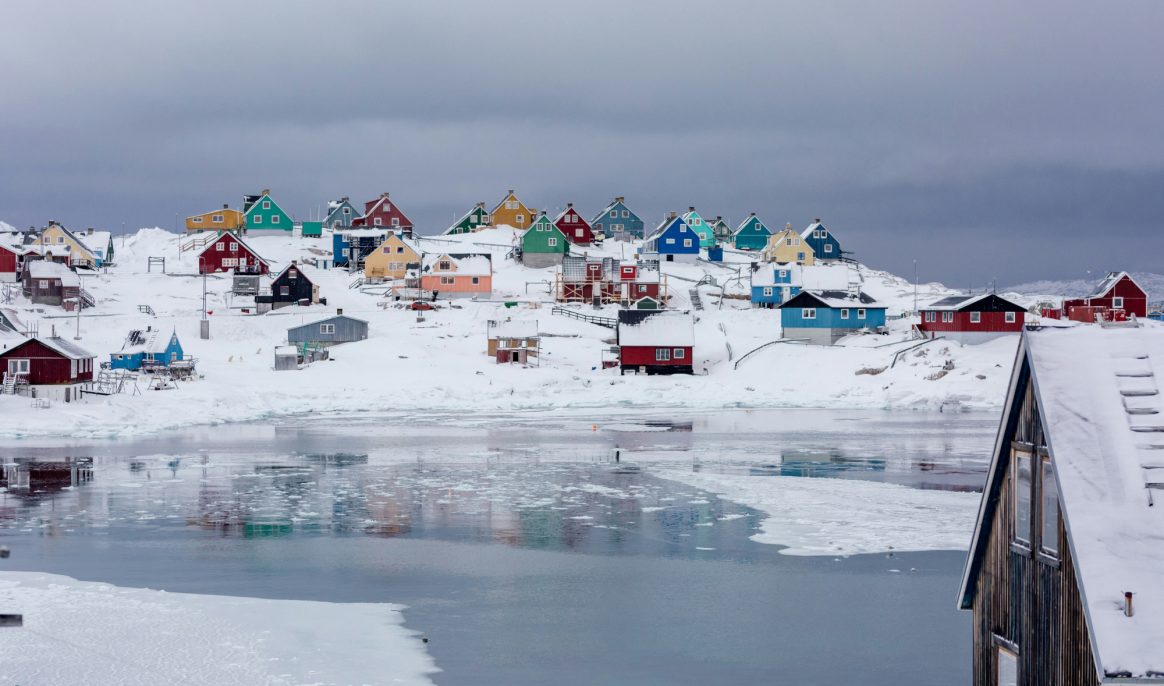
©Visit Greenland via Unsplash
-
Mar 17, 2026 04:00
The rare earth reserves in Greenland could be among the largest in the world by volume. That alone is enough to understand why Donald Trump wants to get his hands on it (and fair's fair: Russia and China wouldn't say no to it either).
Greenland, the largest and most sparsely populated island in the world, has some of the richest natural resources in the world. Among these are mainly the so-called critical raw materials: non-food and non-energy materials that are indispensable for the development of strategic sectors such as renewable energy, electric mobility and digital technologies.
Only these? Certainly not. Those who see Greenland as a kind of golden chest are not mistaken: after all, there are other valuable minerals and metals to be found, plus an enticing volume of hydrocarbons, including oil and gas.
What lies beneath Greenland's ice (which is melting)
Greenland's ice-free region, nearly twice the size of the United Kingdom, covers less than one-fifth of the island's total area. That increases the likelihood that huge, unexplored reserves of natural resources lie beneath the ice.
Greenland's hydrocarbon and mineral wealth potential is also worth noting: according to the US Geological Survey, the northeastern part of the island on land (including ice-covered areas) contains about 31 billion barrels of oil equivalent hydrocarbons - comparable to the total volume of proven crude oil reserves in the United States.
Why is Greenland so rich in natural resources?
The island has had a particularly varied geological history over the past 4 billion years. You'll find some of the oldest rocks on Earth, as well as blocks of native iron (not from meteorites) the size of trucks. In the 1970s, kimberlite pipes containing diamonds were discovered, but they are still not being mined, mainly due to the logistical difficulties of extraction.
Greenland was formed by numerous and prolonged periods of orogeny: compressive forces that broke the earth's crust and created fractures and cracks in which gems such as rubies and graphite were deposited. The latter is a key raw material for the production of lithium-ion batteries, but according to the Geological Survey of Denmark and Greenland, it is still 'little explored' compared to major producers such as China and South Korea.
However, most of Greenland's natural resources were formed during phases of rifting, the disintegration of the continental crust. The most recent occurrence is the formation of the Atlantic Ocean, which began in the Jurassic, just over 200 million years ago.
The exposed sedimentary basins, such as the Jameson Land Basin, appear to have the greatest potential in terms of oil and gas reserves, similar to the Norwegian continental shelf, which is rich in hydrocarbons. However, extremely high costs have slowed commercial development so far. At the same time, the number of studies suggesting the possible presence of extensive oil systems along the entire offshore circumference of Greenland is growing.
Inland sedimentary basins, which are largely ice-free, also contain metals such as lead, copper, iron and zinc. These have been mined locally and on a small scale since 1780.
Rare earth metals: hard to find
Although Greenland is not as closely associated with volcanic activity as neighboring Iceland, many of its critical resources owe their existence precisely to that volcanic history. Rare earth metals (REEs) such as niobium, tantalum and ytterbium have been found in layers of igneous rock, similar to what happened in southwestern England, where silver and zinc were deposited thanks to the circulation of hot hydrothermal water along the margins of large volcanic intrusions.
In particular, Greenland is expected to harbor reserves of dysprosium and neodymium under the ice large enough to cover more than a quarter of future global demand: a total of nearly 40 million tons.
These elements are considered economically very important and at the same time extremely difficult to extract because they are indispensable for wind energy, the electric motors of low-emission vehicles and the magnets used in high-temperature environments such as nuclear reactors.
Share: