
©Milo Weiler via Unsplash
-
Jan 09, 2026 16:00
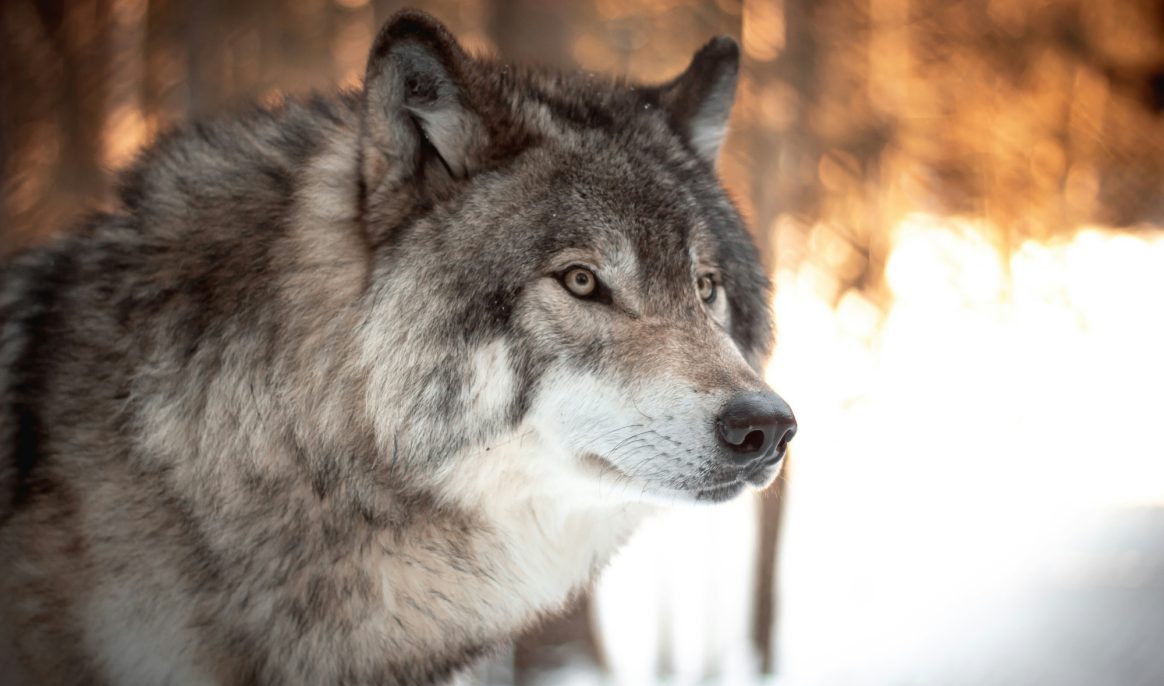
After more than fifty years of total (or almost total) protection, Finland has decided to authorize wolf hunting as from early 2026. This decision stems from the need to contain a rapidly growing population and reduce conflicts with farmers, hunters and rural communities.
The measure has been approved by Parliament and represents a significant change from the previous approach, which relied solely on exceptional culls.
12 wolves already killed
The amendments to the Finnish Hunting Act provide for a limited and strictly controlled season. The proposed period runs from January 1 to February 10, 2026, with final confirmation to be made by the competent authorities. Wolf hunting will be authorized exclusively on the basis of specific permits, issued at regional level by the Ministry of Agriculture and Forestry. According to government estimates, at least 65 wolves could be shot over the winter, with 12 already killed on the first day of hunting. Any intervention will have to comply with strict quotas, rigorous controls and severe penalties in the event of infringement.
A fast-growing population
This decision is based on the evolution of the number of wolves. Official data show that in March 2025, some 430 wolves were living in Finland, an increase of around 46% on the previous year. This growth has been particularly noted in the south-west of the country, helped by the availability of prey and cross-border migration. Experts point out that spring births could have further boosted the population by the end of 2025, increasing pressure on the territory.
Growing conflicts in rural areas
The return of hunting is also motivated by increasing economic and social damage. In recent years, forecasts for reindeer have risen sharply, with around 2,000 animals killed in a single year. Added to this are livestock losses and frequent attacks on hunting dogs, a particularly sensitive issue for local communities. Moreover, the presence of wolves close to villages and farms has fuelled calls for more active control.
A solution, really?
No one denies the existence of these problems. However, brutality is not and cannot be the only solution. Authorizing the slaughter of at least 65 wolves in a single season risks plunging the species back into a new phase of fragility, just as it was showing signs of recovery. Conservationists point out that a stable population should exceed 500 individuals to ensure sufficient genetic diversity.
More effective prevention tools exist, such as electrified fences, guard dogs, monitoring systems and economic compensation. Investing in these measures would be much more consistent with a policy that genuinely wishes to reconcile human safety and nature protection.
Europe and the risk of a step backwards
The recent revision of wolf protection status at European level has paved the way for more permissive policies by granting greater flexibility to Member States. But more flexibility should not mean less protection. The Finnish authorities claim that regulated hunting is compatible with European law, but allowing regulated hunting sends out a dangerous message: when a species recovers, it can be sacrificed for political reasons or under local pressure once again. It's an approach that contradicts decades of commitment to conservation.
The wolf is not the target
The wolf is not a problem to be eliminated, but an ecological resource to be understood and protected. Making the wolf a legal target risks rekindling age-old fears and legitimizing violence against wildlife. If we want a future where humans coexist with nature, the way forward cannot be guns, but responsible cohabitation.
Share: