©Unsplash
-
Aug 27, 2026 10:30
Mount Everest, the world's highest mountain, is threatened not only by global warming, but by a growing waste problem as well. At more than 8,000 meters above sea level, where temperatures drop below -20°C and oxygen is scarce, the mountain is overrun with abandoned items from climbers and tourists, creating a true environmental and health emergency.
In recent years, Nepal tried to address the situation with a deposit system: each climber had to pay $4,000 and bring back at least 8 kilograms of trash to recover the amount. However, that strategy proved inadequate. Many bulky objects, such as tents or empty oxygen bottles, were left on the higher slopes, while lighter waste was collected mainly in the lower camps. Thus, the summit and most extreme zones remained choked with tons of trash that had accumulated over time.
A new strategy to clean up Everest
Nepal is now taking a more direct approach, based on the principle of paying for results. As revealed in an interview with the BBC, the refundable deposit has been abolished and replaced by a mandatory, non-refundable contribution of about $4,000, which will be deposited in a Mountain Social Security Fund.
That fund will finance professional cleanup operations, conducted by specialised teams supported by modern technology, such as drones that can transport up to 15 kilograms of trash from the Death Zone to Base Camp in minutes - a task that normally takes a sherpa hours.
Not just trash, but frozen droppings and chemical sludge threaten the biological security of Mount Everest and the watersheds below, which are critical to more than a billion people living downstream. The combination of microplastics, toxins and bacteria makes clear that pollution on the world's highest mountains is not just a problem for mountaineers, but a global environmental disaster.
Stricter rules and mountain protection
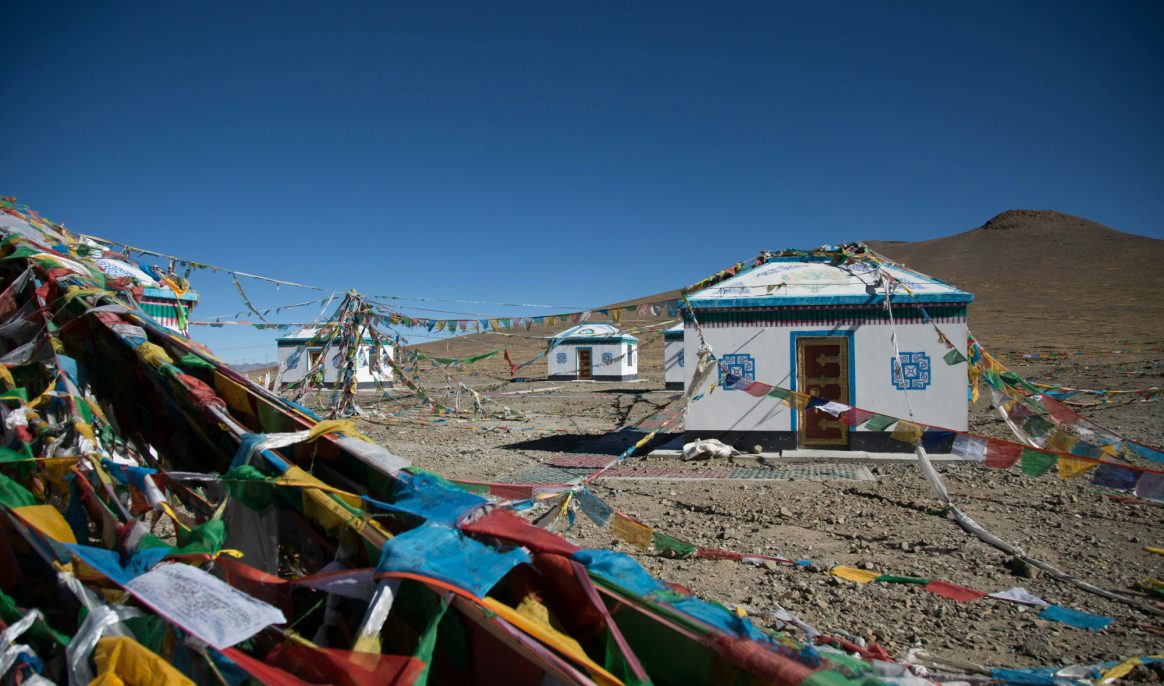
In addition to drones, the new rules prescribe a mandatory inventory of every item that goes with the expedition, including ladders, flags and consumables. Even prayer flags must be biodegradable, ending the era of synthetic materials that remain on the mountain for decades and slowly rot away.
Climbing Everest remains an expensive undertaking, between $45,000 and $75,000, but costs are now rising further, justified by the need to protect the ecosystem of the world's highest mountain. In doing so, Nepal is sending a clear message: Everest must no longer be treated as a landfill.
Share: