
©Unsplash
-
Jan 17, 2026 09:30
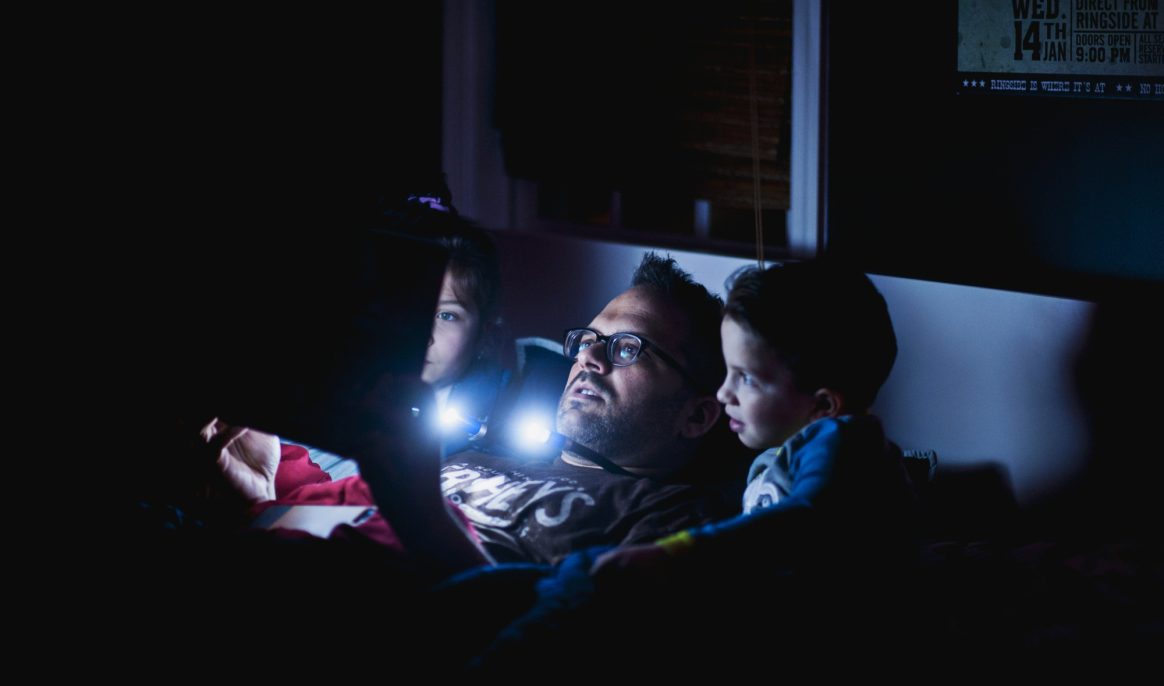
11pm, in bed, ready to sleep. Before switching off the light, we take one last look at the smartphone: messages, social media networks and news - there's no shortage of activity. And what seems like a harmless gesture is, in fact, one of the most common mistakes in our evening routine.
Exposure to screens during the hours before bedtime is a widespread behavior among adults and children alike, which can seriously compromise sleep quality through a mechanism as fascinating as it is sneaky.
How our biological clock works
Our bodies operate according to a natural 24-hour rhythm, called the circadian rhythm, a kind of internal clock that regulates the sleep-wake cycle, body temperature, hormone production and many other physiological functions. The driver of this system is located in a small area of the brain called the suprachiasmatic nucleus (SCN), which receives light signals from the retina and coordinates the body's responses.
When night falls, this control center sends a message to the pineal gland, which responds by producing melatonin, a hormone that tells the body it's time to sleep. Melatonin begins to be secreted in the evening and peaks during the night, preparing the body for rest and making it easier to fall asleep.
Blue light: what is it and where is it found?
As shown by a study published in NCBI (National Center for Biotechnology Information), blue light represents a part of the visible light spectrum with a short wavelength and high energy, between 446 and 477 nanometers. Its main source is the sun, but it is also emitted by LEDs, smartphones, tablets, computers and televisions. During the day, exposure to blue light has positive effects: it improves attention, responsiveness and cognitive performance. The problem arises when we expose ourselves to this form of light in the evening and at night.
Retinal cells contain special photoreceptors called retinal photosensitive ganglion cells, which are particularly sensitive to blue wavelengths. These receptors communicate directly with the suprachiasmatic nucleus, affecting melatonin production far more powerfully than other forms of light.
The mistake we make in the evenings that harms sleep
According to a NASA study published in PubMed, several scientific studies have demonstrated that blue light reduces melatonin secretion more effectively than other wavelengths. In concrete terms, when we use our smartphone or tablet before going to sleep, we trick the brain into thinking that it's still daylight. The suprachiasmatic nucleus receives the light signal and blocks melatonin production, thereby delaying sleep.
This effect is not limited to very bright light: even normal room lighting or the screen of an electronic device is enough to disrupt the circadian rhythm. Falling asleep becomes more difficult, sleep becomes more fragmented and the quality of rest diminishes. The consequences can be seen the following day: drowsiness, difficulty concentrating, irritability and reduced cognitive performance. In the long term, chronic melatonin suppression due to exposure to blue light in the evening can affect metabolism, the immune system and mental health.
Children are more vulnerable
Scientific research has shown that young people are particularly sensitive to the effects of blue light, with the impact on melatonin production in children exposed to screens being greater than in adults.
Effective solutions
The good news is that all it takes is a few simple measures to reduce the negative impact of blue light on sleep. The most effective strategy, on which many experts agree, is to switch off smartphones, tablets and computers at least one hour before bedtime. This is enough time for the body to naturally start producing melatonin.
Smartphone night modes, which reduce blue hues in favor of warmer ones, can help, but don't completely solve the problem. Melatonin levels recover quickly, within about 15 minutes from the end of light exposure, but prevention is better than cure.
In addition, creating a relaxing routine, away from screens, helps the brain to prepare naturally for rest: reading a paper book, taking a warm bath and practicing breathing techniques.
Share: