©Unsplash
-
Apr 12, 2026 13:00
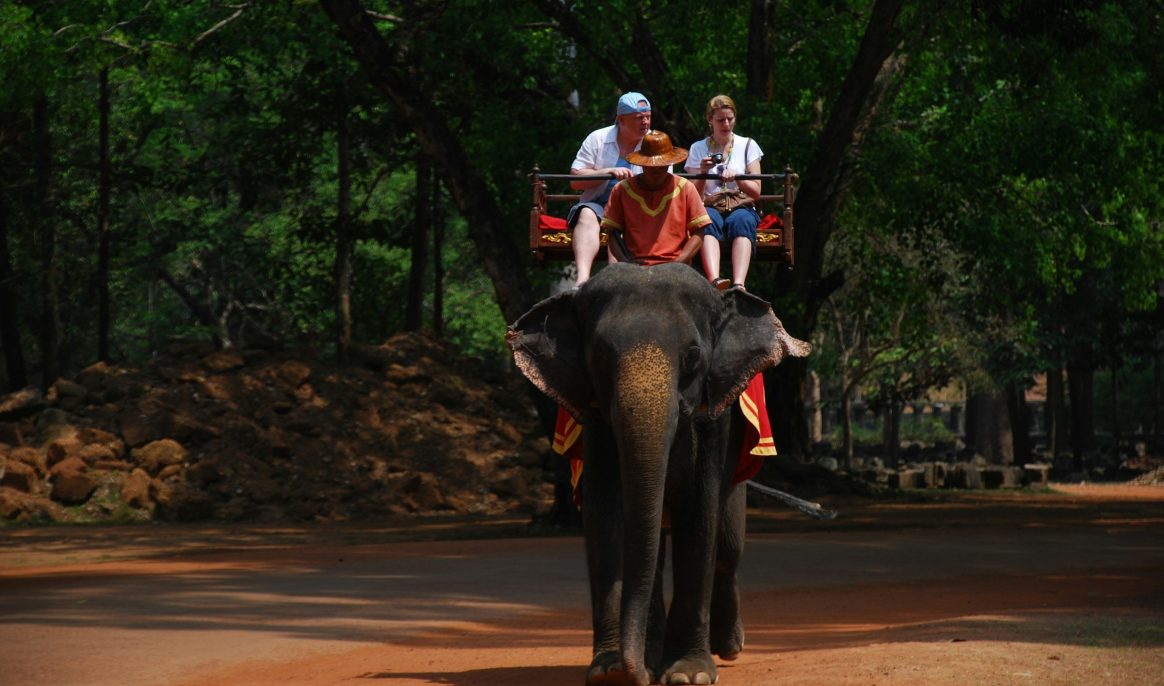
Indonesia has taken a historic step towards responsible tourism by becoming the first Asian country to ban elephant rides altogether.
The measure, which came into force this month following a decree published in December, concerns all official tourist centers and structures dedicated to wildlife conservation. The decision was long-awaited by animal protection organizations, who for years have been denouncing the conditions associated with this practice, which has serious consequences for the physical and psychological health of the pachyderms.
Confirmation has come from the Indonesian Natural Resources Agency, which has specified that the ban is now applicable throughout the country. The authorities have already reported an initial infringement at a private center in Bali, one of the archipelago's main tourist destinations. Two formal warnings were issued to the structure, along with the threat of license withdrawal in the event of non-compliance with the new rules.
The government's decision was welcomed by PETA, one of the world's leading animal rights organizations. According to the association, tourism activities directly involving the use of elephants almost always end up harming the animals concerned. Investigations carried out over the years have revealed practices of physical restraint, such as the use of chains and beatings, designed to make the elephants docile and fit for contact with visitors. PETA has called on other Asian countries, including Thailand, Nepal and India, to follow Indonesia's example.
The measure takes on even greater significance when we consider the situation of the Sumatran elephant, a subspecies that only lives in the Indonesian archipelago. Its population halved between 1985 and 2012, mainly due to poaching, deforestation and increasing human pressure on its habitat. The most recent estimates put the number of surviving individuals at between 2,400 and 2,800, a figure that has led the WWF to classify the species as critically endangered.
With the ban, Indonesia is sending out a clear message: animal protection is not incompatible with tourism, but it does require a paradigm shift. Limiting intrusive activities and promoting respectful forms of observation could open up a new way of reconciling economics, conservation and environmental responsibility, while reducing the human impact on one of Southeast Asia's emblematic species.
Share: