©Matteo Kutufa via Unsplash
-
May 19, 2026 14:33
In the heart of the Valnerina forests lies Lake Vigi: between icy, crystal-clear waters, one will find an almost flat promenade and legends of strange apparitions.
The lake lies just north of Sellano, a Valnerina municipality classified as one of Italy's most beautiful villages. The village is perched on a limestone ridge, with narrow streets and panoramic views over the valley, where over the centuries, the Vigi torrent has carved out a deep gorge. In the 1960s, this gorge was dammed to power a hydroelectric plant in the Ponte Sargano area, near Cerreto di Spoleto.
The surrounding landscape has remained largely intact: slopes covered with downy and holm oaks on the more arid slopes, alders and willows along the water's edge. The result is a cool place even in summer, where the sound of the river accompanies most of the journey.
From the lake to the Rote waterfalls
The lake is reached by following a short dirt path. A small pebble beach offers a first glimpse: the water is crystal-clear, the clear stones at the bottom are clearly visible and, where the Vigi flows into the basin, paler streaks cut the surface. On the banks of the river you'll find an area dedicated to sport fishing, as well as accommodation in the buildings of the former hydroelectric power station.
This is where the route to the Rote waterfalls begins. The path winds between dirt tracks and undergrowth, almost always flat. Cross a small bridge over the Vigi, follow the signs for Setri and Peneggi, and finally emerge onto a meadow. After a few dozen meters, hidden by trees, the waterfalls reveal themselves: three successive jumps in a narrow corridor framed by travertine walls, flowing into a small basin of clear water. The meadow below is the ideal place to take a break, take photos and, when it's hot, let your feet soak in the icy water.
The legend of Umbria's Loch Ness
The Vigi rises on Mount Pizzuto in the province of Macerata, then flows down to the Valnerina before emptying into the Nera. On the stretch between the lake and the waterfalls, the water is particularly oxygenated and the fauna surprisingly rich: it's not uncommon to see kingfishers skimming the surface or damselflies alighting on floating leaves.
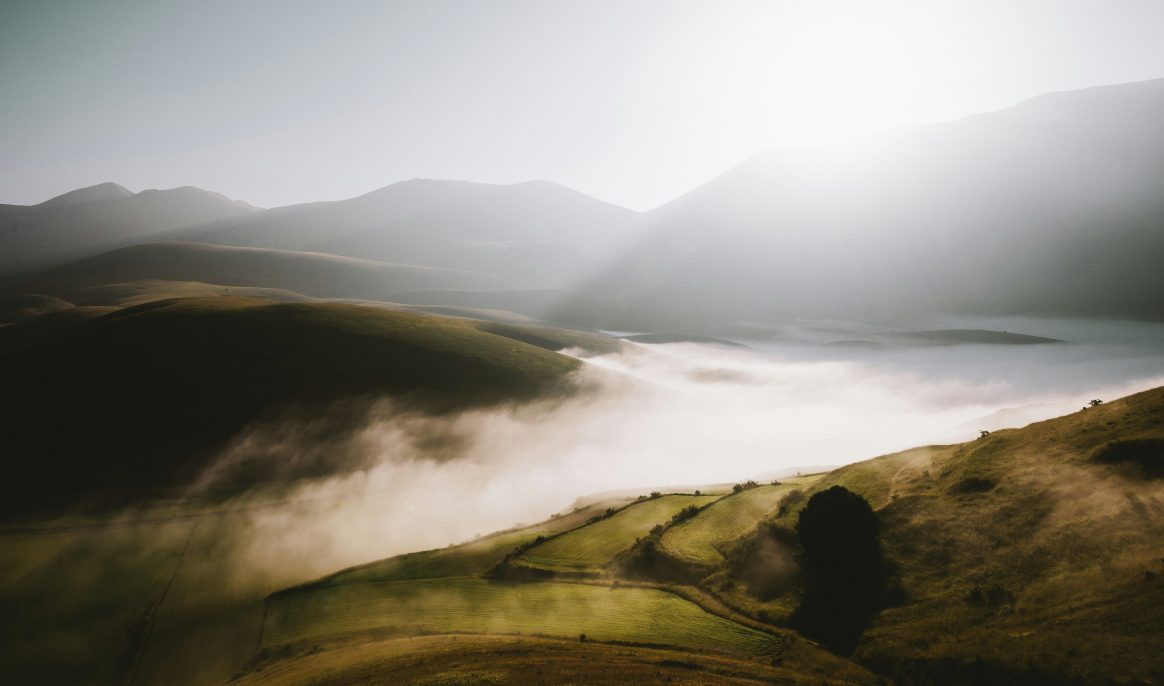
The nickname "Umbria's Loch Ness" comes from the confined, slightly dark atmosphere the lake takes on on foggy mornings, as well as stories that have circulated for decades among locals. Some tell of dark silhouettes in the water's reflection, others of movements beneath the surface that are difficult to explain. The most rational versions involve large carp or logs swept away by the current. Local folklore, on the other hand, prefers the idea of a serpent-like creature watching over the valley, and it only takes a damp, dimly-lit morning for a simple fish jump to turn into a thrilling tale worth telling.
When to go
The best time to visit is from spring to late summer. In spring, the water is abundant and the meadows around the waterfalls are in bloom; in summer, the lake is naturally cool. Two days are enough to discover the lake, the waterfalls and the village of Sellano, with the possibility of adding a stopover in Rasiglia or another less-frequented corner of the Valnerina.
Share: