
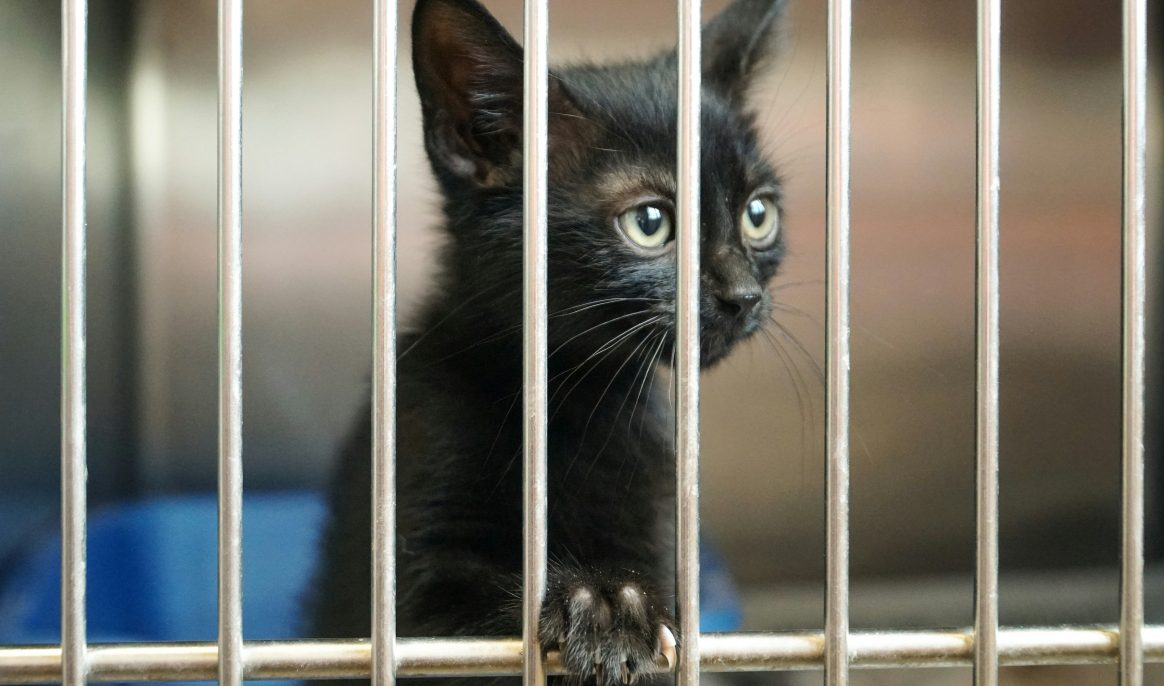
©Thomas Park via Unsplash - photo d'illustration
-
Jun 09, 2026 16:03
In Ontario, Canada, new regulations are coming into force that are set to profoundly transform the relationship between scientific research and animal welfare. With Bill 75, the province becomes the first in the country to explicitly prohibit invasive experiments on dogs and cats, marking a step described as historic by activists and part of the scientific community alike.
This measure is part of a larger legislative package dedicated to animal safety and protection, known as the Keeping Criminals Behind Bars Act, 2026. The Act provides a stricter framework for laboratory management and experimental practices.
The case that inflamed public debate
The decision did not come out of the blue, but was the result of an investigation that profoundly upset Canadian public opinion. At the heart of the affair is St. Joseph's Hospital in London, one of Ontario's largest health care facilities.Ontario, where, according to investigations, some dogs were subjected to invasive heart tests before being euthanized. Internal whistleblower reports and the work of Animal Justice highlighted these practices as incompatible with current ethical standards, prompting a wave of protests and urgent calls for political intervention.
The political response and the new ethical line
Public pressure prompted the government led by Doug Ford to speed up the legislative process. The result is a regulation that makes a clean break with the past and aims to progressively reduce animal suffering in research. The law also stipulates that animals already in laboratories should not simply be euthanized or reused, but integrated into rehabilitation programs.into rehabilitation and adoption programs, following a course of physical and behavioral rehabilitation.
A precedent that could change everything
For years, the issue of animal experimentation has been at the heart of a lively international debate. More and more institutes are investing in alternative methods, such as advanced cell models and numerical simulations, to reduce the use of animals in medical testing.
In Canada, according to data quoted by animal rights organizations, by 2024 alone, some 3.7 million animals would have been involved in experimental procedures. At the same time, a national center dedicated to the search for alternative solutions was recently forced to close its doors for lack of funding.
Ontario's choice may not remain an isolated one. Some observers are already considering extending the ban to primates, paving the way for a wider review of laboratory practices. For activists and supporters of the new law, this is a real turning point: not just a local standard, but a potential model for rethinking the boundary between scientific progress and the protection of animal life.
Source: Bill 75, Keeping Criminals Behind Bars Act, 2026 - Legislative Assembly of Ontario
Share: