©Roi Dimor via Unsplash
-
May 06, 2026 17:00
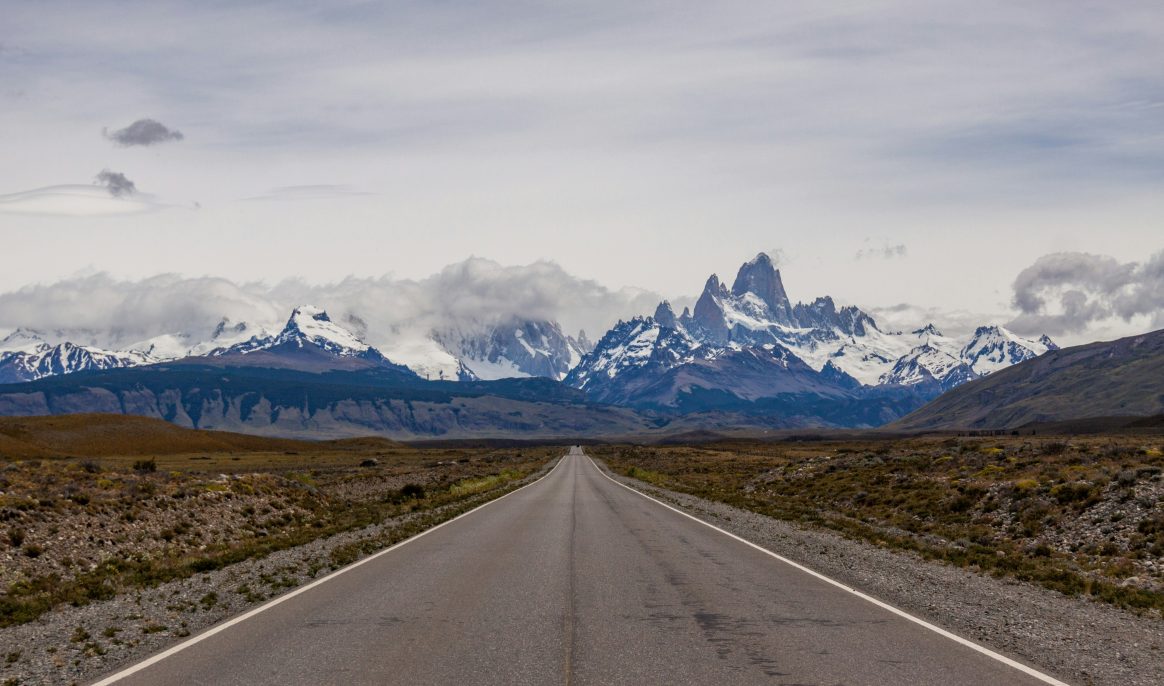
Just a few weeks ago, the Argentine parliament approved the Milei government's proposed reform of the glacier law, effectively authorizing mining activity in ecologically sensitive areas of the Andes. But today, the population is also having its say.
More than 850,000 people have signed up to a class-action lawsuit aimed at blocking this reform. According to the environmental and social organizations supporting the initiative, the legislative amendment weakens the protection of glaciers and the periglacial environment, jeopardizing the country's fundamental water resources.
The lawsuit has been filed with the federal court of La Pampa province, and calls for the immediate suspension of the new law's application throughout the country.
Proponents of the action include the Fundación Ambiente y Recursos Naturales (FARN), the Asociación Argentina de Abogados/as Ambientalistas (AAdeAA) and Greenpeace. These organizations are challenging the constitutionality of the reform backed by the government of President Javier Milei and supported by the mining sector. All are convinced of one thing: the new regulations aim to reduce environmental protection guarantees, paving the way for economic activities, particularly mining, in areas previously under protection.
And that's not all: criticism is also levelled at the legislative process that led to the adoption of the reform. During the public hearings organized by the commissions of the Chamber of Deputies, over 100,000 registrants were barred from making any oral interventions. What's for more, less than 0.2% of those registered were able to participate directly, turning the hearing into a "participation simulation".
The Argentinian Association of Environmental Lawyers also denounced the fact that the rules of the public consultation had been changed after registration had been opened. The Argentinian Association of Environmental Lawyers also denounced the fact that the rules of the public consultation had been modified after registration had opened, introducing criteria deemed arbitrary for the acceptance of videos and written contributions.
On the substance of the reform, the organizations criticize the new text for replacing recognized scientific criteria with discretionary decisions entrusted to the various provinces, to determine which areas to protect or not.
"This is not a technical update, but an attempt to fragment the protection of resources that belong to all Argentines," said the environmentalists.
Protecting glaciers and the periglacial environment is considered strategic, as these areas feed nearly 40% of the national water basins and guarantee the water supply for over 7 million people.
Meanwhile, in the province of Santa Cruz, the federal justice of Río Gallegos has already ordered the suspension of the application of the reform. Federal judge Claudio Marcelo Vázquez has accepted a precautionary measure as part of an environmental appeal, temporarily blocking all activity in the protected areas affected by the new regulations.
Source: Asociación Argentina de Abogados/as Ambientalistas (AAdeAA)
Share: