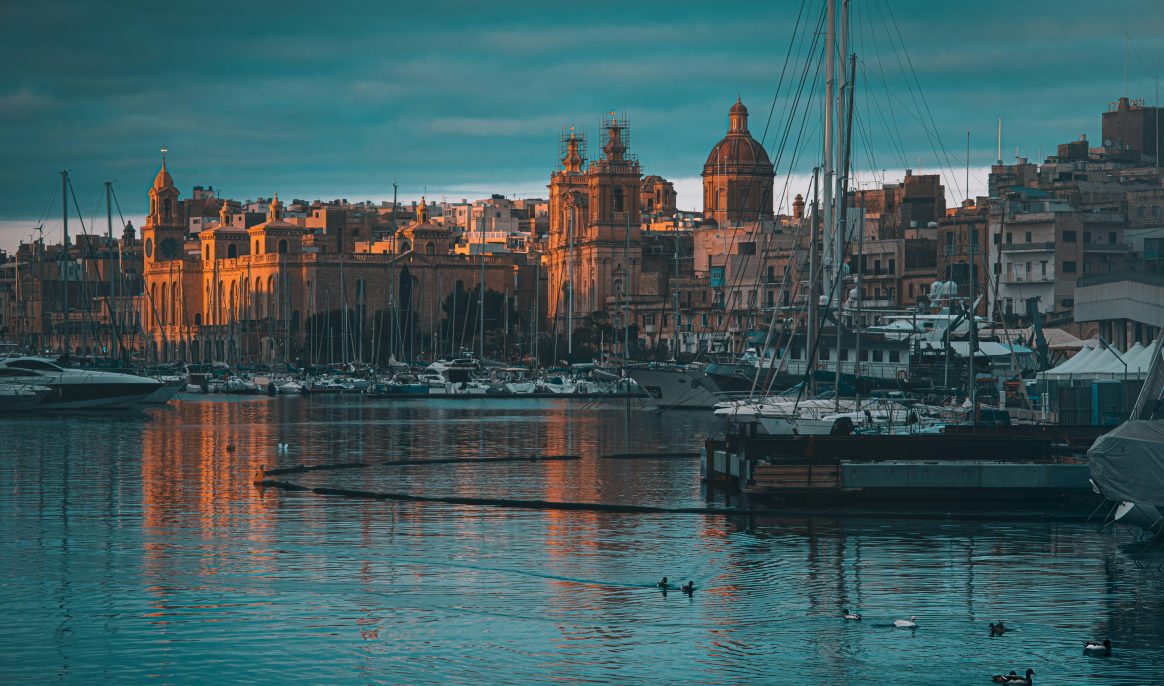
©Neil Farrugia via Unsplash - photo d'illustration de Birgu (Malte)
-
Jun 17, 2026 14:03
For the first time, Brussels has adopted strategies dedicated to 4,000 islands and 70,000 km of coastline: energy transition, the blue economy, and combating depopulation. Here is the plan.
On June 10, 2026, the European Commission approved the very first strategies specifically dedicated to the EU’s islands and coastal communities. This outcome has been awaited for years by local governments, fishing communities, and environmental organizations, which now finally benefit from a coordinated policy framework tailored to their specific needs, rather than being integrated in a fragmented manner into cohesion policies or maritime directives.
The figures alone illustrate the scope of the initiative. Approximately 17 million people live on islands across 16 Member States, three of which—Cyprus, Ireland, and Malta—are entirely island nations. Furthermore, 95 million people live along Europe’s 70,000 kilometers of coastline, representing 21% of the EU’s population: a significant proportion of citizens living in areas on the front lines of climate change, coastal erosion, and the loss of marine biodiversity.
Islands: Four Pillars to Combat Isolation
The strategy for islands is structured around four pillars. The first concerns economic development, connectivity, and innovation: the goal is to diversify local economies, promote sustainable tourism, and address the infrastructure gaps that still hold back many island territories. The second focuses on energy and the environment: decarbonization, renewable energy, and climate adaptation. For many islands, this primarily involves reducing dependence on diesel generators and deploying local energy systems based on solar power and energy storage. The third pillar addresses the demographic challenge (as many islands are losing residents, particularly young people) by focusing on public services, healthcare, housing, and education. The fourth pillar concerns security and the management of climate crises.
Coastal Areas: Blue Economy and Quality of Life
For coastal communities, there are three priorities. Prosperity: a diversified blue economy that encompasses fishing tourism, the marine bioeconomy, and offshore renewable energy. Resilience: climate adaptation through the OceanEye initiative for environmental monitoring and coastal risk assessments. Quality of life: attractive places for people of all ages, where maritime culture and local identity are viewed as resources for the future. Among the concrete tools already in the works are the future “Ocean Act” for maritime spatial planning, as well as a certification system for blue carbon credits, which could lead to new economic opportunities for coastal communities.
What’s next?
The two strategies are advancing in parallel and reinforce one another in the face of shared challenges. Their implementation now falls to the Member States, which are encouraged to incorporate targeted measures into their national partnership plans. The European Investment Bank is called upon to play an active role in financing coastal adaptation. The outermost regions (Canary Islands, Azores, Martinique) remain excluded from this framework for the time being, as they will be the subject of a separate strategy expected by the end of 2026. The next decisive test will be the financial programming process: that is where we will see what place islands and coastlines will actually hold on the European agenda.
Source: European Commission
Share: