©Unsplash
-
Jan 14, 2026 03:30
There's something deeply fascinating about the idea that a sheet of paper, untouched for over five hundred years, could still contain a physical trace of one of mankind's greatest geniuses. Not a pencil trace or a blood line, but something infinitely more intimate: Leonardo da Vinci's DNA.
So suggests a new international study. Researchers claim to have recovered genetic material from a drawing attributed to Léonard da Vinci, opening up a whole new perspective on how the artist observed, interpreted and perhaps 'saw' the world.
It all revolves around a 16th-century red chalk drawing known as Holy Child. In April 2024, researchers from the Leonardo da Vinci DNA Project carried out an operation as simple as it was delicate: they rubbed the surface of the paper with a swab similar to those used for diagnostic tests, recovering what the paper had absorbed over time.
The paper contained sweat, skin cells, bacteria and DNA fragments.
The traces identified include plant residues compatible with the environment of Renaissance in Florence, but also human DNA sequences. And this is where the research gets really interesting.
The scientists focused on the Y chromosome, a part of DNA that is passed down almost identically from father to son. A comparison was made between the genetic material recovered from the drawing and another sample extracted from a letter written by one of Leonardo's cousins.
The result is not definitive proof, but it is far from trivial. Both samples belong to a genetic group that shares a common ancestor in Tuscany, the region where Leonardo was born in 1452. A coherent clue, which reinforces the hypothesis that the trace may well belong to him.
Researchers themselves are urging caution. Attributing DNA with certainty to a historical figure is extremely complex, especially in the absence of certified reference samples. But the step that has been taken is described as a possible turning point.
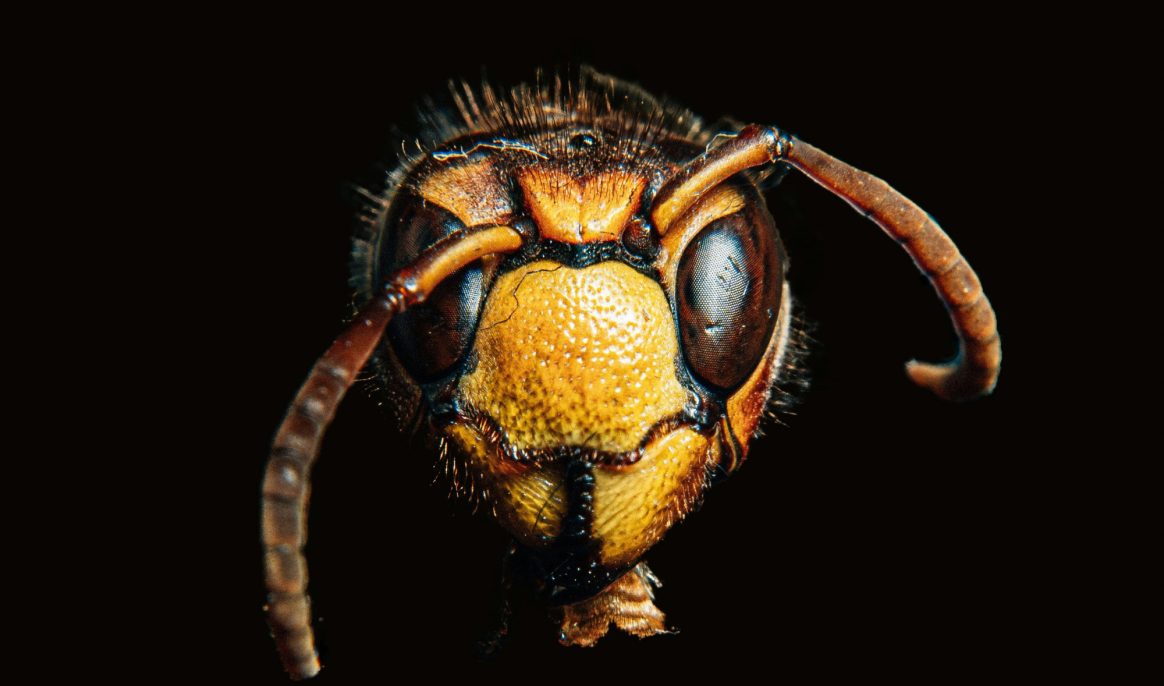
The most fascinating question comes next. If this DNA really is Leonardo's, what could it tell us about him? Researchers and art historians have long wondered about an uncommon ability evident in his drawings. Leonardo was able to capture details that escape the human eye, as if he were observing reality in slow motion. In his sketches, we see imperceptible movements, tiny swirls of water, fleeting moments such as the alternating flutter of a dragonfly's wings in flight.
According to some geneticists, his eyes seemed to 'sample' the world at a much higher-than-average speed, almost like a video camera capable of recording up to 100 images per second, as opposed to the 30 to 60 images normally perceived. This extraordinary visual sensitivity may also have a genetic basis.
The idea that part of his genius could be inscribed in his DNA is both fascinating and disturbing.
That's why researchers are currently sequencing the DNA of some of the Da Vinci family's male descendants, identified in a recent genealogical study. Comparison with other samples taken from the notebooks and drawings could, step by step, reinforce or refute the initial hypothesis.
Only after solid results have been obtained can an analysis of the remains attributed to Leonardo, preserved in Amboise, France, be envisaged. This also equates to an extremely delicate operation from an ethical and historical point of view.
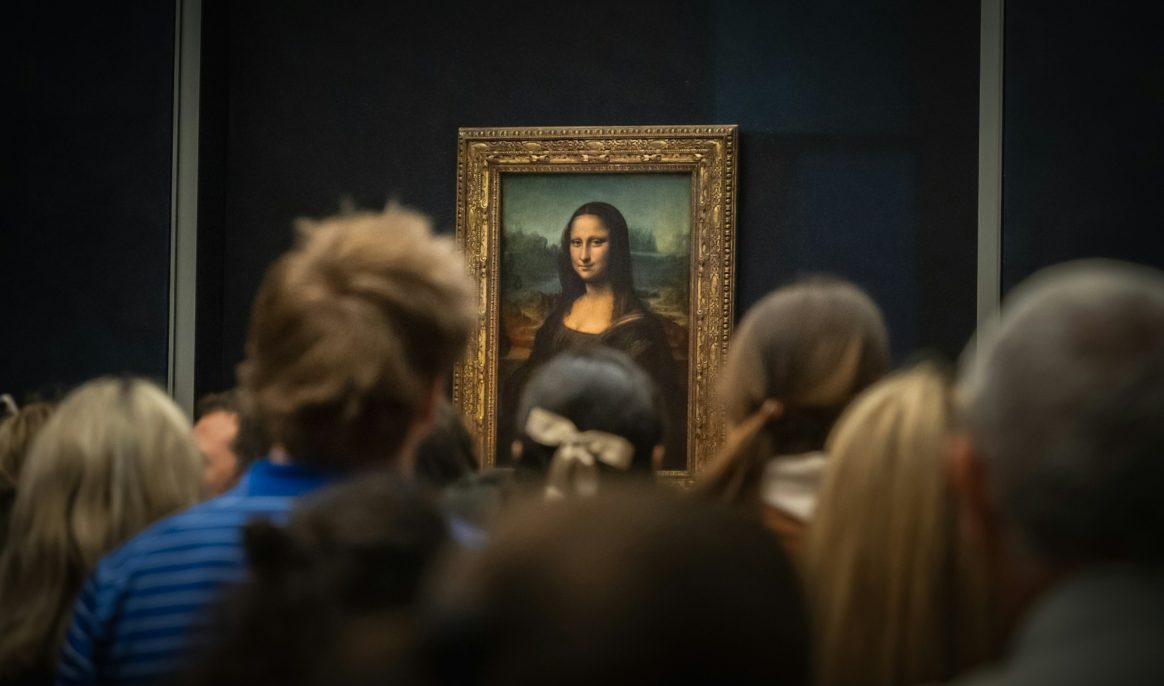
Painter, scientist, inventor, anatomist, engineer, musician. Leonardo da Vinci was all of these and more. His most famous works, from the Mona Lisa to the Last Supper and Vitruvian Man, continue to speak to us of balance, observation and boundless curiosity.
Today, centuries later, it's not just his drawings that tell us about who he was. Perhaps it's his very biology that suggests an answer, reminding us that genius never comes from nothing, but from the mysterious encounter between body, mind and environment. And perhaps, in this thin layer of time-worn paper, Leonardo is still trying to tell us something.
Share: