
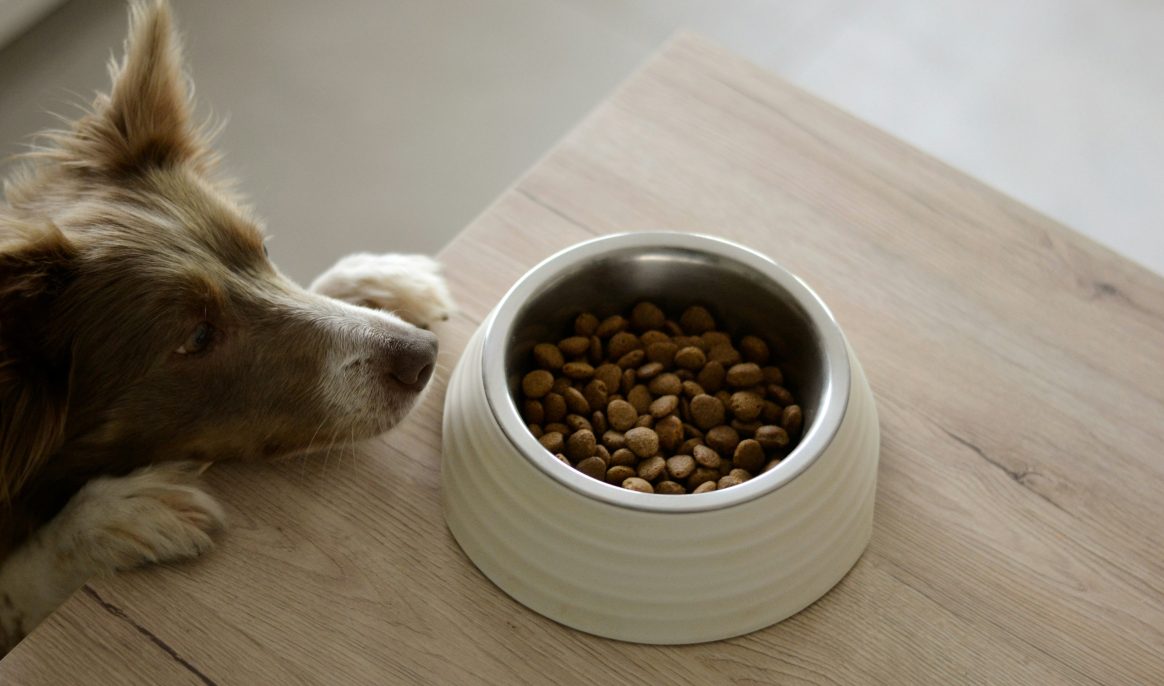
© Ayla Verschueren via Unsplash
-
Jun 12, 2026 14:41
Washing your dog’s bowl too infrequently or improperly turns it into a true breeding ground for bacteria. Studies reveal how often to clean it and which method to use.
What is the dirtiest object in the house? “It’s surely in the bathroom,” one might be tempted to answer, not to mention the possible tie between the dish sponge and the kitchen sink. These are credible contenders, but they share the podium with our pets’ food bowls. A ranking by the National Sanitation Foundation of the most contaminated areas in our homes places the pet bowl in fourth place, just behind sponges, the sink, and the toothbrush holder. The problem is that most of us wash our pets’ bowls too infrequently and in the wrong way.
Cleaning so infrequently
The figures come from a study by North Carolina State University, authored by Emily Luisana and her colleagues, and published in PLOS ONE. Of the 417 pet owners surveyed, fewer than 5% knew that the Food and Drug Administration (FDA) had established guidelines for the handling and storage of pet food. The majority of them, 22%, reported washing the food bowl on average once a week. A group of 18% admitted to doing so less than once every three months, or not at all.
An Italian study published in BMC Veterinary Research describes similar habits on this side of the Atlantic: only 37% of owners cleaned the bowl after every meal. The same study found that the total bacterial load was higher in metal bowls than in plastic ones, and higher for wet food than for dry kibble. This is something to keep in mind, as it challenges certain assumptions about which material is “the most hygienic.”
What Thrives in a Neglected Bowl
The study by Weese and Rousseau, conducted in 2006 and published in the Canadian Veterinary Journal, deliberately contaminated food bowls with raw meat inoculated with salmonella before subjecting them to various cleaning methods. The results are far from reassuring: after a simple rinse with warm water, the bacteria were still present in 96% of cases. Only the combination of vigorous scrubbing and soaking in bleach significantly reduced the presence of salmonella.
Added to this is the risk to the dog’s household, as the food bowl can serve as a vector for Escherichia coli, an antibiotic-resistant bacterium, as well as for other pathogens that pass from animals to humans. This same study, led by Emily Luisana, notes that more than a third of the households surveyed included children under the age of thirteen or immunocompromised individuals—precisely the groups most severely affected in the event of a foodborne illness.
What Works, According to the Data
The good news is that it takes very little to make a difference. In the study published in PLOS ONE, groups that followed hygiene protocols for just one week saw the bacterial load in their food containers plummet, while nothing changed for the group that received no instructions. The most important detail concerns temperature: washing with water above 71°C reduced bacteria far more effectively than cold or lukewarm water.
The FDA’s official recommendations are simple, yet almost everyone ignores them: wash your hands before and after handling food, clean the food bowl and measuring scoop with soap and hot water after every meal, do not use the food bowl as a measuring device, and dispose of food scraps so the dog cannot retrieve them. For the water bowl, the Centers for Disease Control and Prevention recommend changing the water and washing the bowl every day.
Share: