©Noah Boyer via Unsplash
-
Feb 09, 2026 13:00
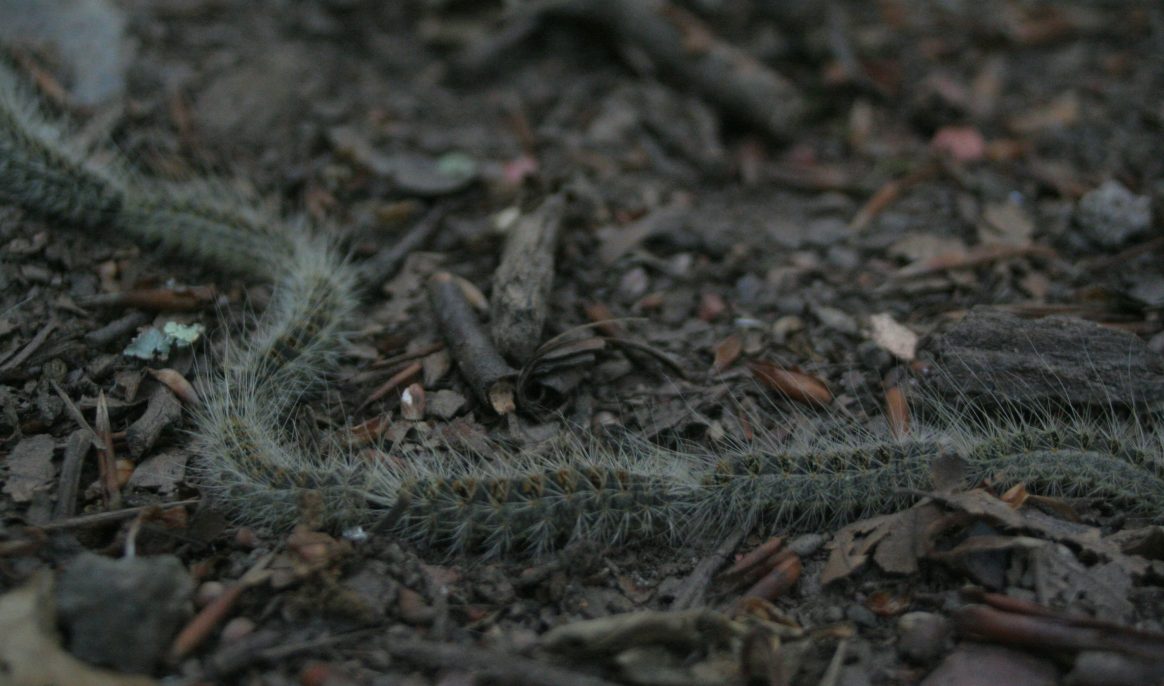
Spring has not even arrived yet, but a particularly stinging 'inconvenience' is already starting to show up: the larvae of Thaumetopoea pityocampa, the dreaded pine processionary moths, are descending from their nests much earlier than usual. Normally, their movement to the ground - in an orderly line, hence the name 'processionary caterpillar' - begins between late February and March, but for the past few years with noted rising temperatures, these stinging caterpillars have been leaving their nests as early as January, especially in mild winters.
The Traumatocampa pityocampa can be especially fatal to our pets, a danger that can lurk anywhere and hide in gardens, woods, school yards and along walking trails, often closer to us than we can imagine.
Winter already marks the beginning of a risky period
The descent of the processionary butterfly does not coincide with the arrival of nice weather, as it's triggered at the end of larval development, usually between January and March. The caterpillars leave the nests to burrow into the ground, advancing in a single row with millimetric precision.
January is the critical period because no one expects their presence: stray dogs, curious children and unsuspecting gardeners unwittingly expose themselves to the stinging hairs of these insects.
The role of climate
The main cause of this early arrival? It now seems clear that rising temperatures, especially in winter, are altering the biology of these insects. The caterpillar develops larvae in nests even during the cold months, and higher temperatures accelerate their development and survival - allowing them to move earlier and expand further north than in the past.
This is not a mere theory: in recent decades, these processionary moths have effectively moved beyond their traditional Mediterranean range, into areas previously considered 'too cold'. What until a few years ago was mainly a problem for Mediterranean wooded areas is now becoming a risk for hiking trails, gardens, forested urban areas and pets even further north. As their activity foresees, the chance of accidental contact also increases, and precisely during the months when people are generally not yet ready to recognize them or take precautions.
The first rule is to avoid the risk of accidental contact
The first rule is to avoid direct contact: even simple brushing against them can spread irritating hairs into the air.
A real threat to health and animals.
The pine processionary caterpillar poses a real threat to humans and animals. You only have to go near a nest to come into contact with the microscopic hairs, which are carried by the wind and contain a powerful toxin, taumetopoein, a substance that causes dermal irritation, respiratory problems and eye damage.
In dogs, it can cause very serious, potentially fatal injuries. The risk comes not only from direct contact with the caterpillars: the stinging hairs are deposited on the lawn, on laundry hung outside and on garden tools, so in case of a possible infestation, one must be very careful.
Golden tips for prevention
A few simple rules of conduct will help avoid serious consequences:
- Never touch caterpillars or nests, even if they are apparently empty
- Always keep dogs on a leash in wooded areas
- Avoid pruning in the presence of visible nests
- Avoid sweeping or mowing under trees with potential nests
Traps prove effective against codling moth
There are concrete solutions to limit the spread of these insects. Traps placed around tree trunks before the caterpillars come down are proving particularly effective, and the method is also accessible to people managing their own gardens. Prevention is the best defense, especially considering that January marks the beginning of the processions: on the market you can find different types of specific traps, the most important thing is to act before the caterpillars descend from the trees.
If you discover a nest in a public space, report it to the municipality, as authorities are obliged to proceed with removal in accordance with national regulations.
Share: