©Max Muselmann
-
Jan 12, 2026 21:30
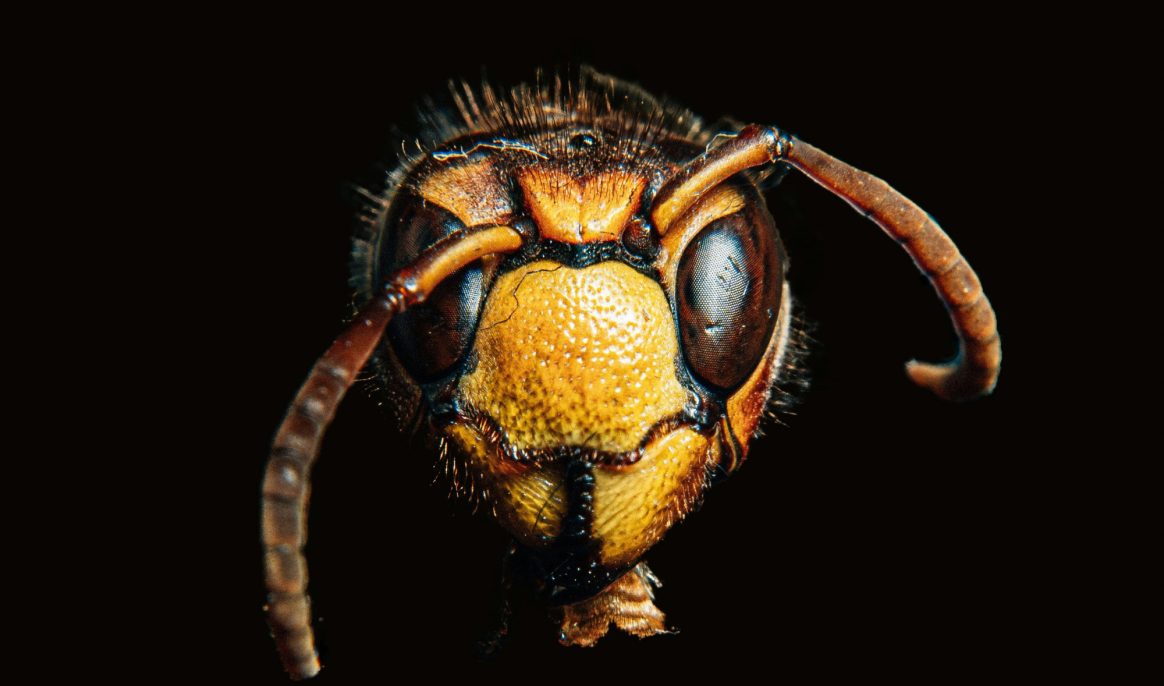
In just a few years, the Asian hornet has become an unwelcome but increasingly common guest in a lot of gardens. Since its arrival in Europe in the early 2000s, this invasive insect has posed a real threat to bees and, more broadly, to the balance of ecosystems. Anyone who enjoys watching pollinators, for example, as they move among the flowers in the garden, knows all too well how problematic its advance is. Yet, without resorting to poison or risky interventions, there are natural scents that can greatly irritate and keep them at bay, both from the garden and the home.
Natural scents that the Asian hornet avoids because they disturb its sense of smell
The Asian hornet is resilient and highly adaptable, but it's certainly not insensitive to odors. Some aromas, which we find pleasant or at least tolerable, are downright unbearable to it. Thus, light smoke is one of the simplest and most direct ways to discourage its presence. Smoke is perceived as a threat to them and triggers a rapid flight reflex. Burning a small amount of ground coffee, some dried thyme or even an incense stick can be enough to make a patio or balcony a lot less attractive to them.
Thyme, in particular, is a plant with an intense and persistent aroma that acts as a natural repellent. The same goes for cloves, especially when heated slightly: the pungent scent disrupts the hornet's sensory system, causing it to retreat without creating dangerous situations. These are simple, non-invasive solutions that make it possible to use outdoor spaces more peacefully, without directly confronting the insect.
Just as there are scents that drive it away, there are also factors that, on the contrary, almost inevitably attract the Asian hornet. Gestation plants, rich in nectar, are essential for bees, but at the same time lure in their predators. It's a paradoxe that everyone who loves biodiversity knows all too well: protecting pollinators sometimes also means attracting their hunters.
Dead wood, such as abandoned logs or old stumps, can also become potential nesting sites. They create sheltered, often damp places that provide an ideal base for nest building. Added to this is a lesser-known, but not negligible detail: certain color tones, especially red, are particularly attractive to these insects. It's no coincidence that many trapping devices use this color.
A lush, flowering garden that is seemingly in balance can thus unknowingly become a perfect environment for the Asian hornet. Being aware of these factors is the first step in reducing the risk of an unpleasant encounter.
Natural remedies and home scents that help keep it at bay
In addition to plants and dried herbs, there are combinations of everyday ingredients that can work as natural repellents. The scent of lemon combined with white wine or vinegar, diluted in water and misted near windows and doors creates an odor barrier that deters the Asian hornet. Simple cleaning vinegar applied to passage areas can also help reduce unwanted visits.
For those who want a stronger effect, the addition of essential oils such as citronella or clove oil can further enhance the effect. By doing this, the environment becomes unattractive to the insect, but remains pleasant to humans. These are not solutions that get to the root of the problem, but they do help make everyday living with the insect a lot safer.
It's important to remember that these remedies do not replace professional intervention when a nest is discovered. Trying to remove a nest on your own is extremely dangerous. Notifying the appropriate authorities remains the only proper way to prevent accidents and protect both people and the environment.
Still, taking preventive action, by limiting favorable conditions and using scents that repel the Asian hornet can make a big difference. It's a precarious balance, made up of small daily actions and conscious choices that helps to protect bees and enjoy the greenery around the house with more peace of mind, without losing sight of respect for nature.
Share: