©Michele Bitetto
-
Jan 12, 2026 07:00
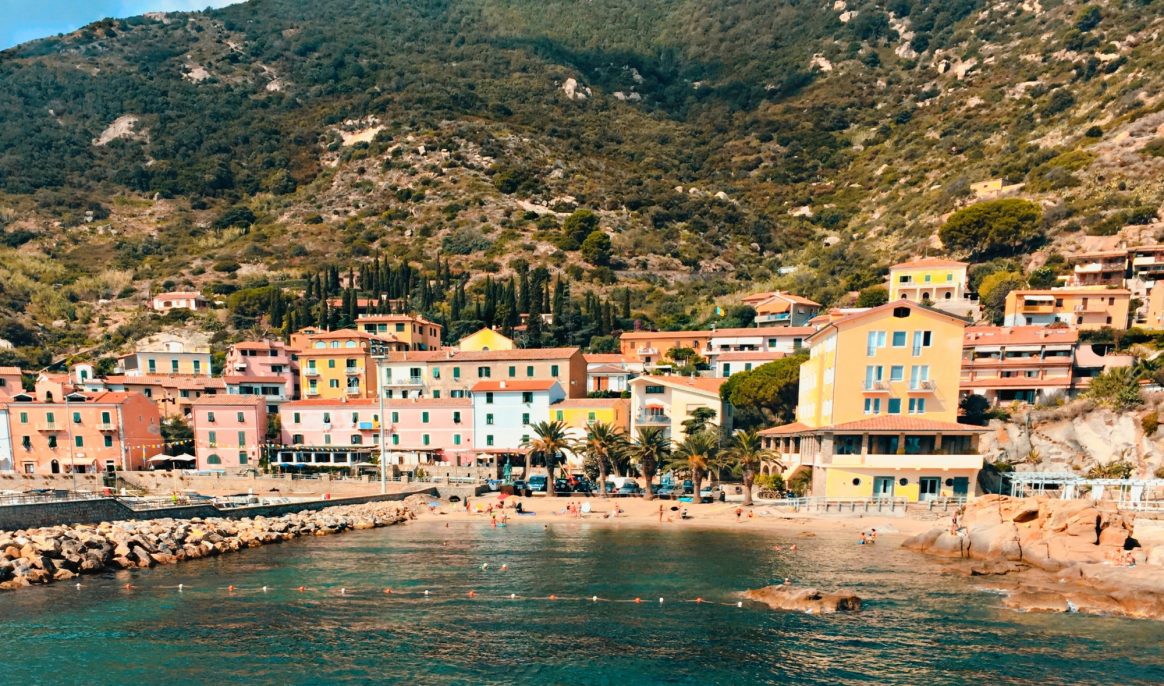
Fourteen years have passed since the Costa Concordia shipwreck, but the wound of that tragedy has never truly healed. It was almost 10pm on January 13, 2012 when the cruise ship struck Le Scole, a group of rocks off the coast of the island of Giglio in the Tuscan archipelago. It all happened as a result of the so-called 'bow', a detour made by Captain Francesco Schettino to greet those on dry land and get as close to shore as possible.
The violent impact caused a large crack in the hull of the Concordia, which had sailed from the port of Civitavecchia toward Savona, and the partial sinking of the ship.
In just a few minutes, what should have been a vacation turned into a nightmare for more than 4,000 passengers. A terrible human error and delays in the rescue effort took the lives of as many as 32 people, while 157 passengers were injured.
A tragedy that could have been prevented
As is unfortunately known, the tourists stayed on board for about an hour while the ship took water, with no clear instructions. Some, unaware of what was really happening, even returned to their cabins.
The order to put on life jackets was not given until 45 minutes after the incident, when Schettino informed the harbor master of the leak and asked for a tug because the ship was tilting to starboard. Following the distress signal, however, the order to abandon ship was not immediately given, further complicating the situation and exposing thousands of passengers to danger.
But no immediate action was taken
But what ultimately caused the biggest stir in the whole affair was the gesture of Captain Schettino, who violated the navigation code by setting foot ashore while most people were still on board. Schettino wanted to know nothing about re-boarding the ship, even when the commander of the Livorno harbor master, talking to the captain on the phone, had ordered him for the umpteenth time to do his duty. That absurd phone call still echoes in our minds, especially those of the survivors of the tragedy.
Francesco Schettino was sentenced to 16 years in prison for multiple manslaughter and abandoning a ship with passengers on board.
The environmental damage caused by the shipwreck
The shipwreck off the island of Giglio is one of the most terrible shipwrecks in Italy's history, not only because of the dramatic death toll, but also because of the extensive damage to the marine ecosystem. The wreck remained off Giglio Island for about a year and a half, precisely until July 2014, when it was removed and transported to the port of Genoa. The work to remove it was yet another blow to the area's environment, which was now also endangered by the presence of harmful substances with which the cruise ship was loaded: 2,000 tons of fuel, as well as heavy oils, paints, cleaning agents and other polluting products. The delicate cleanup of the seabed of Giglio Island was not completed until 2018.
"The verdict for the Costa Concordia shipwreck is the last thing we would like to see for this kind of 'accident,'" said WWF Italia, which, as a civil plaintiff in the lawsuit, had played a role essential to assessing the serious environmental and landscape consequences caused by the Costa Concordia accident, the day after the court's ruling in Grosseto.
Share: