
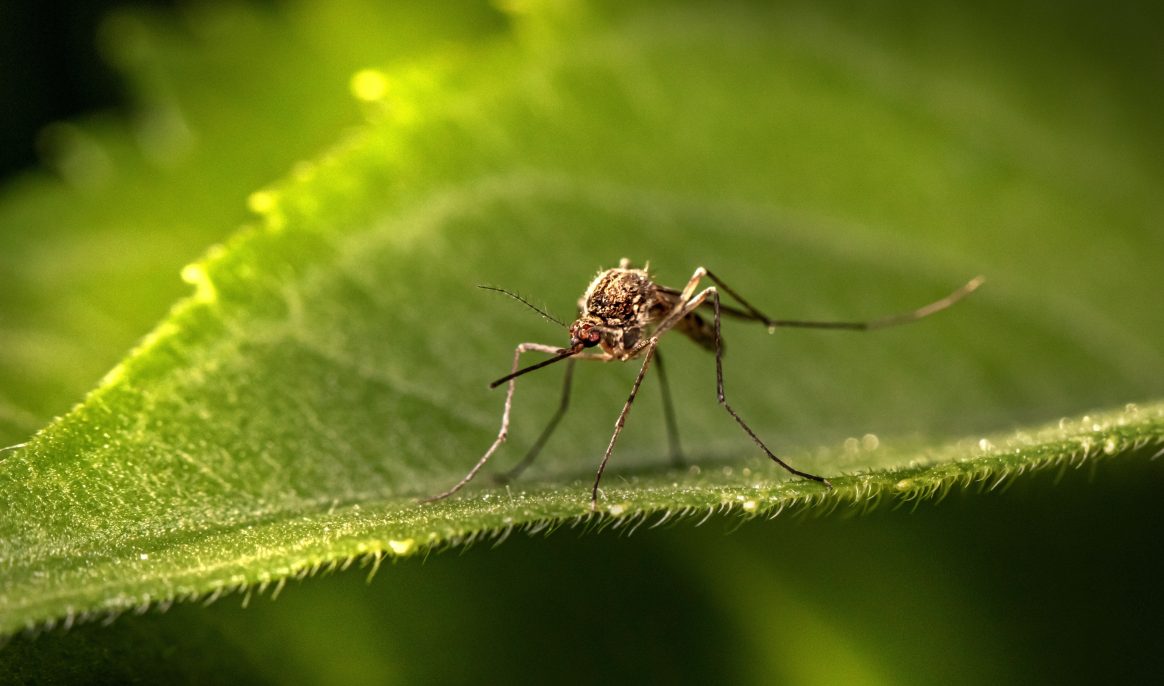
© Erik Karits via Unsplash
-
Jun 09, 2026 13:50
In a world where global warming continues to expand the territory of disease-carrying mosquitoes, the United States is launching a bold experiment: up to 64 million sterile male mosquitoes will be released in California and Florida to halt the proliferation of these harmful insects.
The problem: deadly insects
Mosquitoes are more than just annoying insects. According to official data, as they transmit around 17% of the world's infectious diseases, including malaria, dengue fever, yellow fever, chikungunya and Zika, they are responsible for 760,000 deaths a year. With global warming, these insects are gaining ground in new regions during longer summers, raising fears of future health crises.
However, the solution does not lie in eradicating all species. According to biologist Hilary Ranson, of 3,500 known species, only around 100 bite humans, and only five species are responsible for around 95% of human infections.
The strategy: sterilize the males
The Débug project, funded by Google via debug.com, aims to reduce the number of births among these insects by an elegant method: sterilize the males who will mate with females. These females will then lay non-viable eggs, incapable of giving birth to new mosquitoes.
Methods: radiation or Wolbachia bacteria
There are several techniques for sterilizing mosquitoes. In Switzerland, particularly in Ticino, where a pioneering team has been carrying out tests against the tiger mosquito for the past three years, larval radiation is used in the laboratory. Initial results are remarkable: the population has already fallen by over 90% in the participating communes. The town of Mendrisio has recently joined the program.
In the USA, Google engineers prefer the Wolbachia method, which involves infecting mosquitoes with this bacterium to impair their reproductive capacity. A study published in 2025 showed that the release of mosquitoes infected with this bacterium in the Brazilian city of Niterói reduced dengue fever cases by 89%.
The advantage: no insecticides
Both of these methods enable mosquitoes to be controlled without the use of insecticides, offering a more ecological approach. However, their effectiveness varies according to the conditions in which they are used.
Large-scale experiments will enable us to refine these techniques, understand how they can be combined in the field and combine them with measures to clean up water bodies.
Share: