© Tommy Silver via Unsplash
-
Aug 13, 2026 13:00
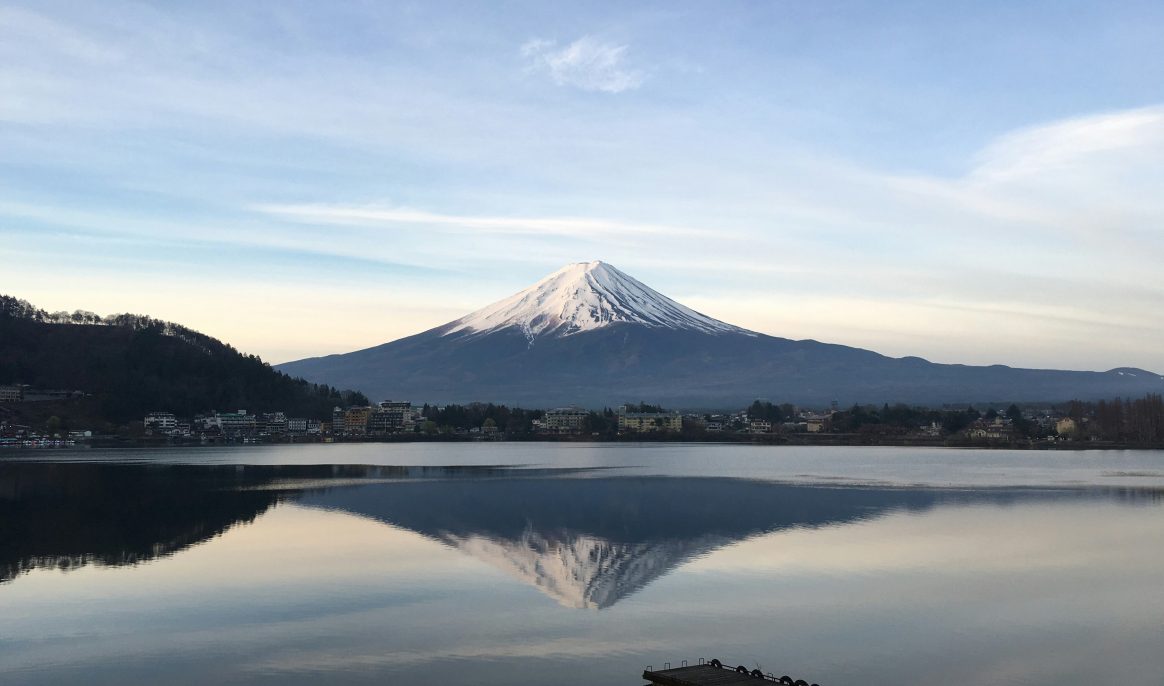
A sacred symbol of Japan, Mount Fuji is now paying the price for its beauty. Between crowds of hikers, eroded trails, and mountains of trash, the iconic volcano has become the epitome of overtourism in Japan.
For centuries, Mount Fuji has attracted pilgrims, hikers, and travelers in search of an unforgettable sunrise. But this revered mountain, a UNESCO World Heritage Site since 2013, is struggling more and more to cope with the massive influx of hikers, especially on the Yoshida Trail, the most popular and most congested of the access routes.
Every summer, the climbing season transforms the volcano into a corridor of human migration. The official website notes that heavy crowds are among the risks to anticipate, along with getting lost or bad weather. But the problem isn’t just aesthetic. Repeated foot traffic accelerates soil erosion, while trash and logistical operations strain a fragile ecosystem. According to recent articles, authorities have already reduced the pressure by implementing stricter access rules.
Since 2024, several measures have been implemented to curb the flow of visitors, including an entrance fee on the main trails and a daily quota on the Yoshida Trail. The goal is clear: to preserve the mountain and improve safety. Authorities are also seeking to discourage overly rapid ascents, often undertaken at night to reach the summit at dawn, which increases the risk of exhaustion and accidents.
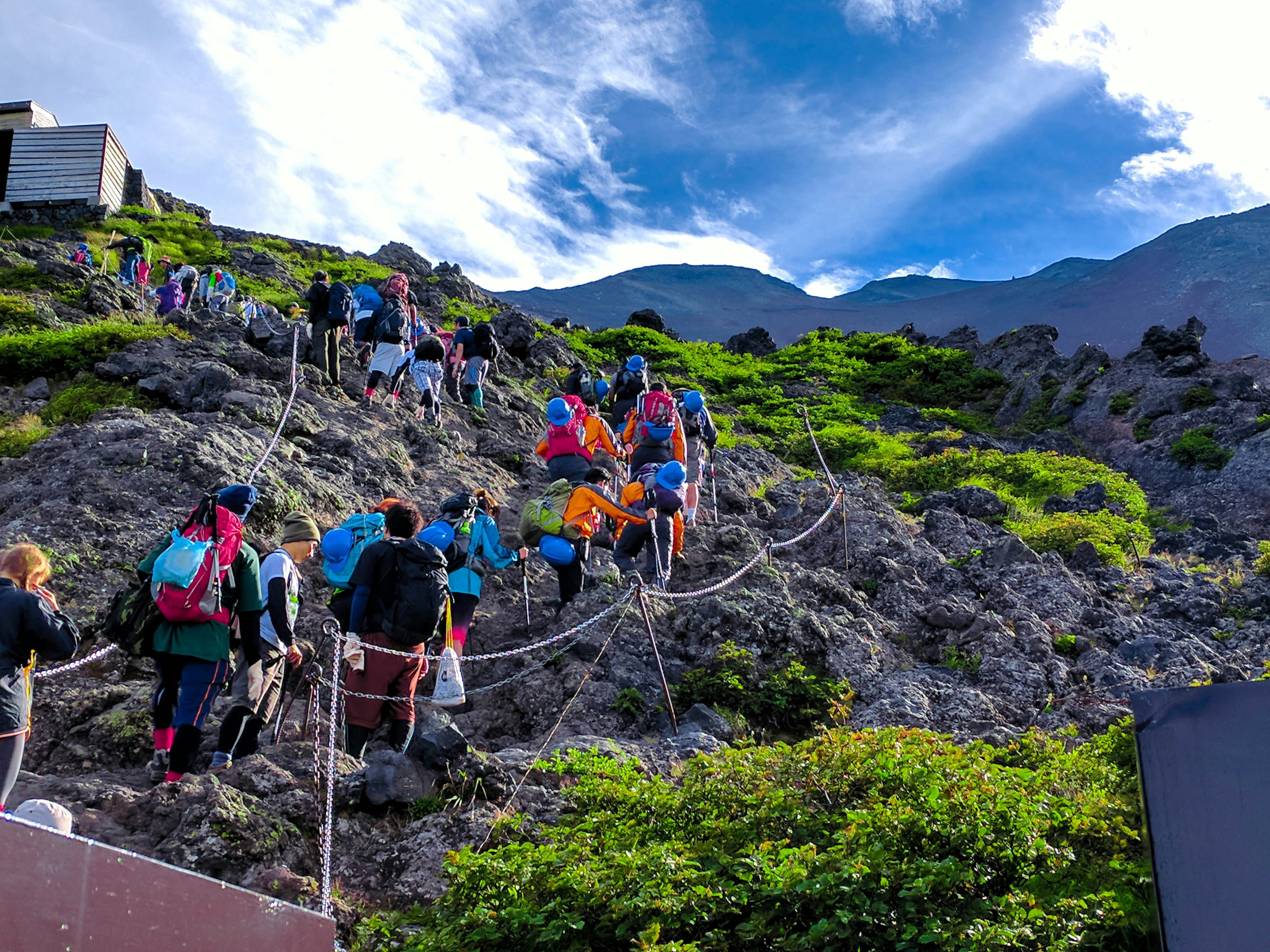
So what should hikers who dream of adding Fuji to their list of conquests do? The right answer isn’t necessarily to give up on the climb, but to approach it differently. In a recent article, Le Figaro highlights that other routes offer a chance to discover a more peaceful side of the mountain, notably the less-traveled Fujinomiya Trail, or hikes at the base of the volcano, around Aokigahara or the Hoei Crater.
This approach makes sense for such a symbolic site. It allows visitors to move beyond simply “checking off the summit” and rediscover the spiritual, scenic, and unhurried aspects of Mount Fuji—those of the ancient pilgrimage routes and panoramic views that tell the mountain’s story better than the line of hikers heading for the summit.
Ultimately, Mount Fuji doesn’t just need to be protected—it needs to be viewed with greater patience. Mass tourism has reduced it, for many, to a mere performance; the new rules and alternative routes serve as a reminder that it remains, above all, a living, sacred, and vulnerable place. Mount Fuji is not just a threatened postcard image and a giant on borrowed time; it is a warning about our conception of tourism. When an iconic mountain becomes too crowded to be truly appreciated, it is our entire relationship with travel that must be reexamined.
Practical information: Three routes to the giant’s summit
There are three main routes to the summit of Mount Fuji. Here is a brief overview of each, along with the recommended fitness level for each type of hiker.
- The Yoshida Trail: This is the most accessible and most popular route. It’s suitable for beginners in good physical condition thanks to its gentler slopes, numerous mountain huts, and straightforward logistics. On the other hand, it’s also the most crowded.
- The Fujinomiya Trail: This is the shortest route to the summit, but also one of the steepest. It requires a good level of endurance and is best suited for intermediate to experienced hikers who are comfortable with exertion at high altitudes and sustained climbs.
- The Gotemba Route: This is the longest and most demanding route. With few mountain huts and a significant elevation gain, it is best suited for experienced hikers seeking a more rugged and less crowded ascent.
For a “classic” ascent that’s easy to organize, choose the Yoshida Trail. For a good balance between crowd levels and physical effort, the Fujinomiya Trail is the best choice. For a true physical challenge, the Gotemba Trail is the most demanding. The one thing all three routes have in common is that climbing Mount Fuji remains physically demanding but not technically challenging: the terrain doesn’t require advanced mountaineering skills, but the altitude, fatigue, and cold can quickly make the hike more difficult.
Share: