©Unsplash
-
Jul 18, 2026 12:00
As the Taliban actively promote tourism, the regime is attempting to portray Afghanistan as a destination for adventure-seeking travelers. However, for many visitors, the country remains a destination with obvious risks, even as the first Western tourists return for its natural beauty, historic sites, and Afghan hospitality.
The Taliban assert that tourism offers economic opportunities and thus allows the outside world to discover Afghanistan’s “true traditions and customs.” According to official figures, the number of foreign visitors is on the rise: after 691 tourists in 2021 and 2,300 in 2022, that number rose to 7,000 in 2023, while the government reports even higher figures for the first few months of this year.
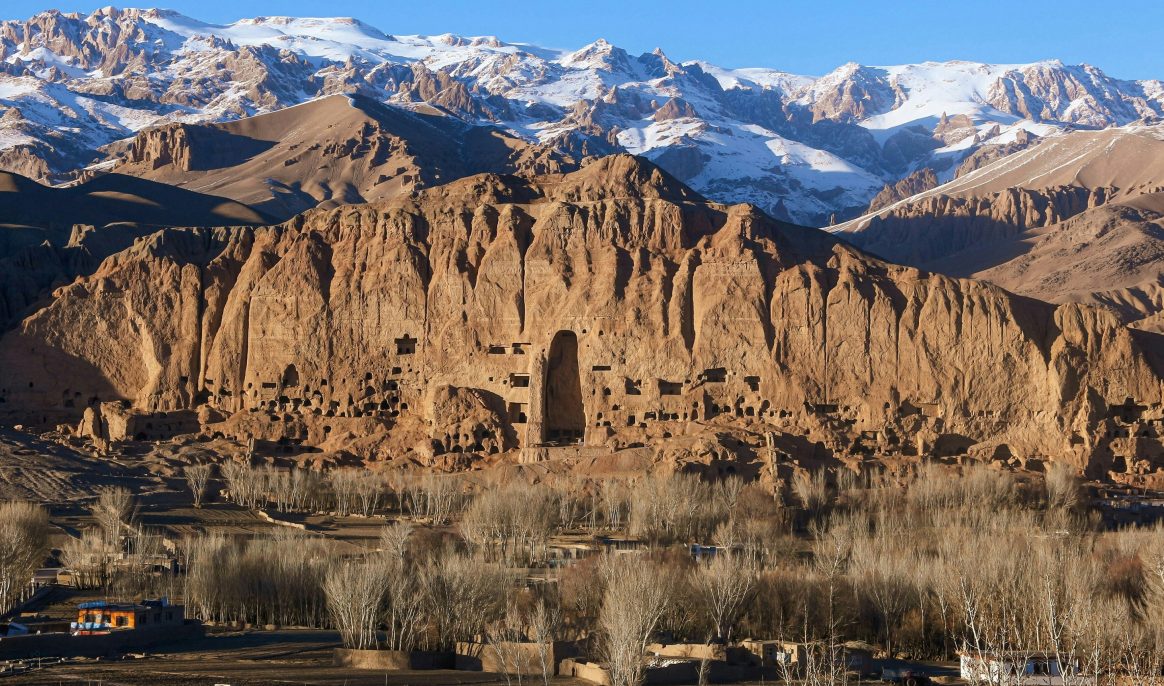
Travelers are particularly drawn to the idea of a unique experience. American visitor Ben Herskowitz described Bamiyan as “one of the most beautiful places” he had ever seen and spoke on NBC about the impressive landscapes and nearly deserted archaeological sites. Other travelers also say they are impressed by the hospitality of Afghans, who often offer visitors tea, food, or lodging.
A booming tourism sector
The emergence of a small tourism sector has also been noted by local entrepreneurs. Afghans are setting up new travel agencies and say that social media and travel videos are drawing more and more people to the country. The government has even opened a training institute for tourism and hotel management to meet this demand. At the same time, the situation remains very tense.
Afghanistan continues to face poverty, international isolation, and serious human rights concerns, particularly for women and girls. The Taliban have imposed restrictions on education, employment, travel, and access to public spaces, making the ethical debate over leisure travel to the country all the more delicate.
Security remains a risk
Although the major war of the past is over, Afghanistan is not immune to violence. In May 2024, tourists were again killed in Bamiyan during an attack in which Spanish nationals were killed. Western governments therefore continue to advise against travel to the country, while local tourism promoters emphasize that security has indeed improved since the Taliban took power in 2021.
For travelers, Afghanistan thus remains a country of contrasts: spectacularly beautiful, culturally rich, and welcoming, yet at the same time politically repressive and still dangerous.
Share: