©Nguyen Kiet via Unsplash - photo d'illustration
-
Jul 19, 2026 08:43
Climate change is transforming extreme coastal floods—which used to occur once a century—into devastating floods that are now a regular occurrence (every 10 years).
According to recent research published in Nature Climate Change and Science Advances, the frequency of these floods has increased twelvefold globally since 1900. Furthermore, human activity (greenhouse gas emissions) is directly responsible for nearly 58% of the daily sea-level exceedances measured between 2000 and 2018.
By analyzing more than a century of tide gauge data, scientists were able to accurately quantify this acceleration. Sönke Dangendorf , a specialist in sea-level change and a coastal engineer at Tulane University (United States), explains :“We found that what was a once-in-a-century event in 1900 has already increased twelvefold on average worldwide. When we conduct these forcing experiments, we also find that anthropogenic forcing—caused by human activity—has become the dominant factor, particularly since the 1970s.”
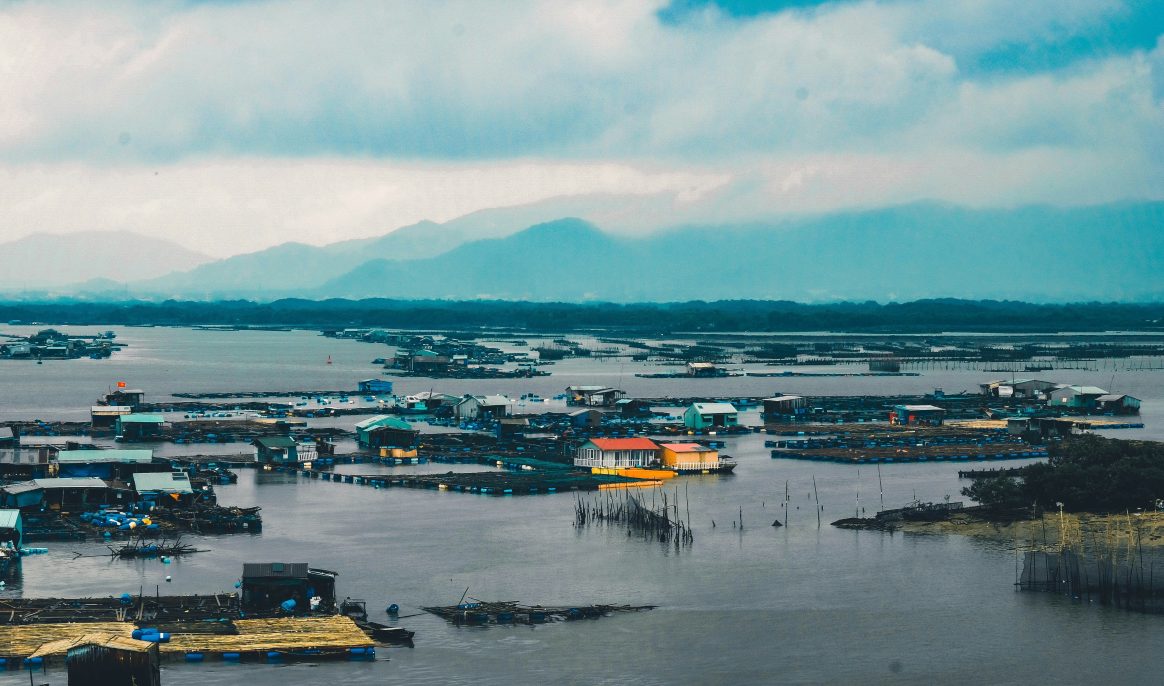
Coastal communities at risk
On the ground, during spring tides, a sea-level rise of just a few centimeters is enough to disrupt the daily lives of coastal communities. Over time, the cumulative effect of these repeated flooding events weighs as heavily as a major natural disaster. The oceanographer explains that“this makes the situation very difficult for coastal communities, as insurance costs are rising. The cumulative cost of these events can easily match that of a major hurricane making landfall. Many people are already living with this new reality, which is a direct consequence of rising sea levels.”
Whereas a disaster on the scale of Hurricane Sandy—which claimed more than a hundred lives in 2012—used to strike only once in a generation, this type of catastrophe now threatens to recur at very short intervals. "People can go through an experience like Hurricane Sandy and recover from it. But if you imagine going through an experience like that practically every eight years—which is the frequency observed today compared to 1900—it is, of course,much more difficult," warns Sönke Dangendorf.
The researchers emphasize, however, that global political and economic action aimed at reducing our greenhouse gas emissions would help mitigate this trajectory and slow the rise in sea levels.
Share: