
©Unsplash
-
Aug 13, 2026 14:00
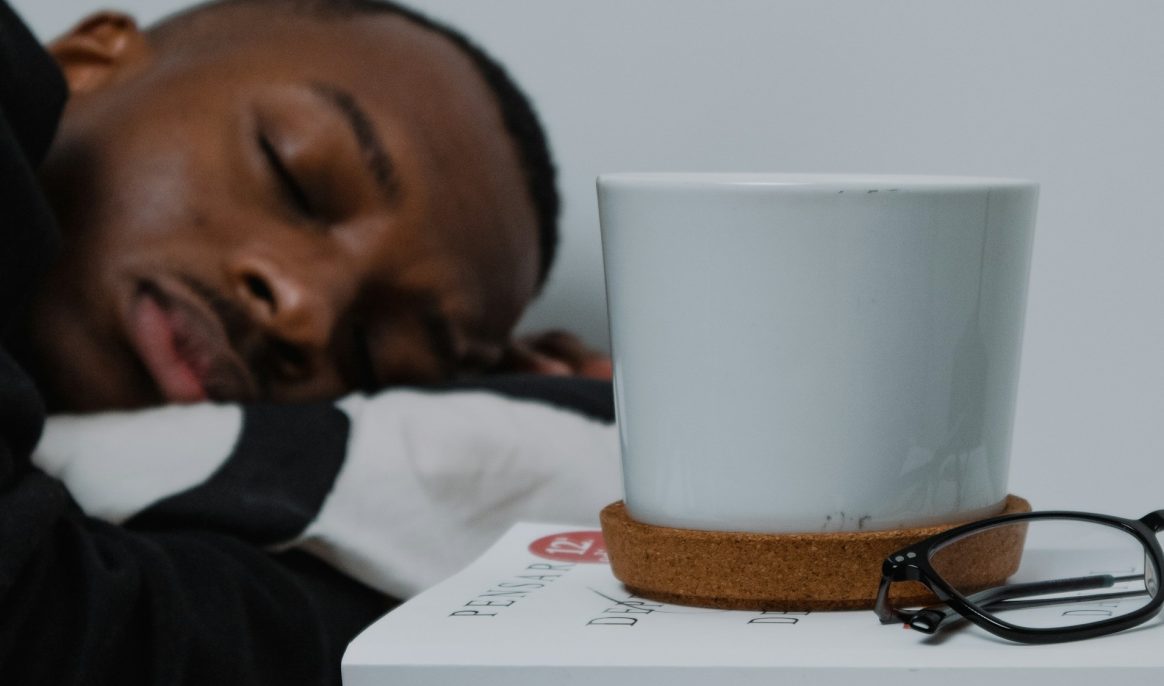
An experiment has shown that getting more sleep leads to better academic performance.
The study, titled “Screen Time, Sleep, and Mental Health,” led by Osea Giuntella, an associate professor of economics at the University of Pittsburgh, has for the first time demonstrated a causal link between better sleep and improved college grades.
As part of this study, college students who were not getting the recommended amount of sleep were paid to meet the goal of at least seven hours of sleep. The result? In addition to earning money, the students significantly improved their grades.
The study reveals that the average sleep duration for the more than 1,100 students who participated in the experiment was only six hours and 36 minutes per night. Only 45% of the students slept the recommended minimum of seven hours per night on weekdays, but 85% admitted to not meeting this recommendation at least one day per week.
According to Giuntella’s study, about half of the students went to bed around 1:00 a.m., while a quarter of them went to bed after 2:00 a.m. These findings reveal that sleep deprivation among students is far more than just the norm.
To determine whether quality sleep could influence academic performance, the study objectively tracked students’ sleep using a smartphone app. The app sent reminders at bedtime and provided small financial rewards—up to $4.75 (about €4.10) per night—to those who met the goal of seven hours of sleep.
The results went beyond the financial incentives: students who increased their sleep duration also improved their grades, with an increase of between 0.07 and 0.085 points that semester. To put this in context, this improvement in academic performance is nearly double that achieved by traditional financial aid initiatives.
Share: