
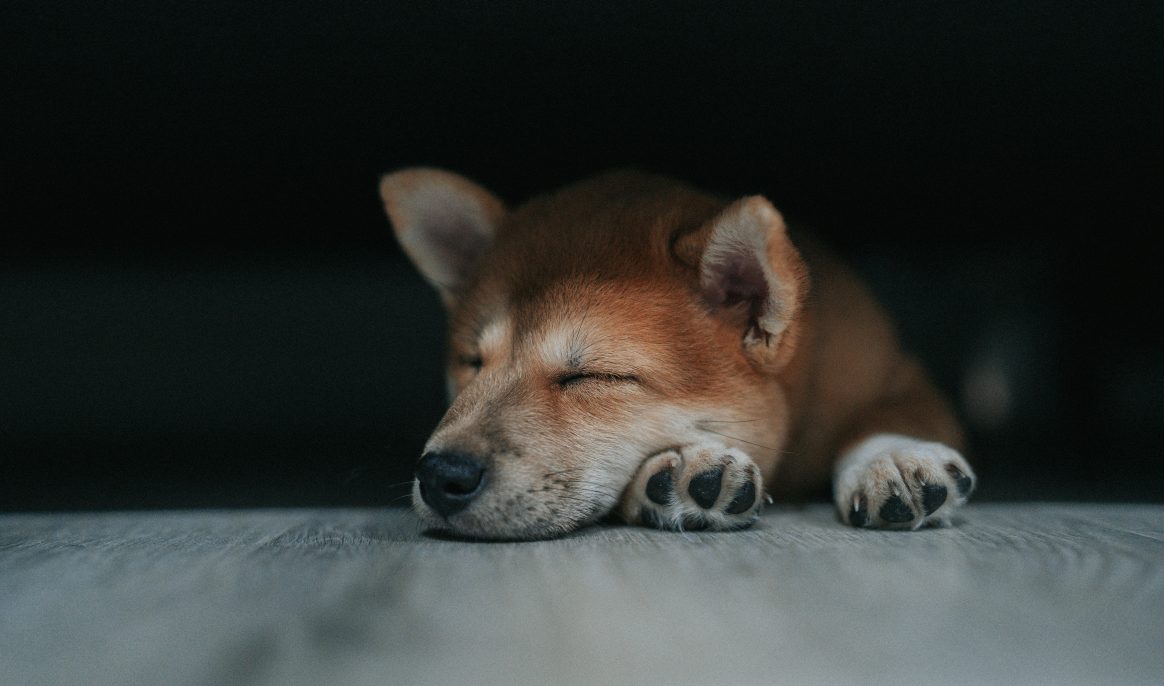
©Dex Ezekiel via Unsplash
-
Jul 22, 2026 16:03
Dogs sweat very little, unlike us. In a room that’s too hot, humid, or poorly ventilated, nights can quickly become stifling for them. If your four-legged friend is constantly panting while sleeping or always looking for a cool spot on the floor, you’ll need to keep an eye out.
To regulate their body temperature, dogs rely on a natural mechanism called panting. The air they rapidly inhale and exhale allows the moisture on their tongue and in their airways to evaporate. It’s this evaporation that effectively cools their entire body.
The most vulnerable dogs
Many owners mistakenly believe that a sleeping dog is safe from overheating. However, sleep disrupted by panting is an early warning sign. This is how your pet expresses its discomfort. Be especially vigilant with:
- brachycephalic breeds (bulldogs, pugs, etc.);
- older or obese dogs;
- animals with heart or respiratory conditions.
If your dog is panting and drooling heavily, acting unusually restless, or has very red gums, contact a veterinarian immediately.
A body temperature that can rise, even at rest
Body temperature does not drop instantly when exercise stops, nor does it drop at sunset. A study published in 2024 in the Journal of Thermal Biology revealed that in nearly a quarter of canicross dogs (competing in races), body temperature continued to rise within five minutes of exercise. Experts therefore recommend immediate active cooling rather than passive waiting.
For cool nights
Although nighttime tolerance thresholds vary from animal to animal, there are a few simple steps to follow:
- keep fresh water available for the animal;
- choose a well-ventilated room;
- let the dog sleep on a cool floor, especially if it avoids its bed;
- avoid evening exercise on muggy nights.
Is your dog still panting even after you’ve tried all these helpful tips? If your dog remains lethargic, is vomiting, or has trouble moving around, don’t wait—take him to the vet right away.
Share: